
Tag Archive for: knee pain

5 Natural Ways to Keep Your Knees Healthy and Moving This Summer

When you live in New England, summer is a short and precious season. And you don’t want something like nagging knee pain ruining it for you. Whether you’re walking the beach, gardening, playing a round of golf or pickle ball, or tackling your favorite hiking trail – knee pain can quickly turn your favorite summer activities into frustrating experiences. 

The good news?

There’s a lot you can do – starting right now – to protect and support your knees naturally. 

Here are five of my top tips for helping people keep their knees healthy and mobile – so you can enjoy your summer instead of worrying about knee pain:

  1. Strengthen Your Hips and Core

Your knees don’t operate in isolation. They rely on surrounding muscles – especially your hips and core – for proper support and alignment. When these areas are weak, your knees can become stiff and painful due to the extra strain they have to endure to compensate. Strengthening your hips and core improves not only how your knees feel and function, but how your entire body moves. And the better you move as a whole, the less likely you’ll be to place unwanted stress on your knees.

  1. Optimize Your Knee Mobility

One of the most important principles I share with patients is “mobility before stability.” If your joints are stiff, the muscles around them can’t function properly. When it comes to knees, that little bit of hyperextension or “give” at the end of your range isn’t just normal – it’s often a critical yet overlooked aspect of healthy knee function. I see this missed all the time in rehab protocols, especially after procedures like arthroscopy. It may seem minor at the time, but years later, that unaddressed stiffness can cause big problems. I also frequently see issues when one knee is significantly less mobile than the other – often due to a past injury – which can lead to imbalance and compensation elsewhere. When you optimize your knee mobility, your knees will move and feel better. So keep them moving – and stop “protecting” them so much. You may be doing more harm than good.

  1. Stop Sitting So Much

You hear this advice all the time when it comes to back health – but did you know that sitting too much isn’t great for your knees either? Prolonged sitting – whether at a desk, in the car, or lounging – can lead to stiffness and reduced circulation in your knees. It also tightens your hip flexors and hamstrings, which can place abnormal stress on your knee joints. Knees don’t like being in one position for too long. If you notice that your first few steps after sitting feel achy or painful, it’s a sign you need to move more. Make it a point to stand up, stretch, or take a short walk at least once every 30 minutes. These quick breaks go a long way in supporting knee health – and your spine will thank you, too.

  1. Choose Supportive Footwear

Footwear plays a significant role in how your knees feel. The shoes you wear impact how forces travel up through your legs – and summer favorites like flip-flops often provide little to no support. Poor footwear can alter your gait and posture, placing unnecessary strain on your knees. When choosing shoes, look for options that are comfortable and offer good arch support and cushioning – especially if you’ll be walking or standing for long periods. Also consider the width of your shoes, as feet tend to swell and widen in the heat during extended activity. Supportive sandals do exist – just be mindful of when and how long you wear less supportive styles.

  1. Work on Your Balance

Balance isn’t just important for fall prevention – it also plays a key role in how well your joints absorb and distribute force. Good balance ensures that your feet, ankles, and core work together to stabilize your movements. When that coordination is off, your knees often have to compensate, which can lead to pain and unwanted wear and tear over time. Simple balance exercises – or activities like yoga, which emphasize control and stability – can help retrain your neuromuscular system and reduce unnecessary strain on your knees. You’ll notice the benefits of improved balance in all areas of life, but especially during favorite summer activities like hiking, pickleball, beach walks, and paddleboarding.

If you’re dealing with persistent knee pain – even one or two of these strategies could make a noticeable difference.

And if your knee pain is keeping you from being active or doing your favorite summer activities, it might be time to seek expert help. A physical therapist who specializes in mechanical pain can assess your movement and identify the root cause – so you can get back to doing what you love – and without having to rely on pills or surgery.

Dr. Carrie Jose, Physical Therapy Specialist, and Mechanical Pain Expert, owns CJ Physical Therapy & Pilates in Portsmouth, NH, and writes for Seacoast Media Group. If local to Portsmouth, NH, and looking for help – request a FREE Discovery Visit with one of her Specialists by CLICKING HERE.
Could Back Trouble Be the Root of Your Knee Pain?

One of the most important things to get right when it comes to successfully resolving knee pain is to make sure you’ve correctly identified the root cause.

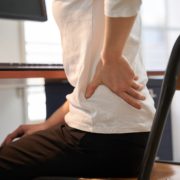
Sometimes, your knee pain is due to a problem within your knee joint – such as with arthritis or torn cartilage. But other times (and more often than you think) – the source of your knee pain can be coming from elsewhere – such as your lower back. 

Did you know that 25% of the time, your knee pain is due to a problem within your back – even when you don’t have any back pain?

One of the tell-tale signs you’ve misidentified the root source of your knee pain is that it doesn’t go away after trying everything that “should” help it. Perhaps you’ve tried ice, heat, pain medication, foam rolling, strengthening, stretching – even physical therapy – but no matter what – your knee pain just won’t seem to go away. If the root source of your knee pain is within the knee joint – and you address your joint with any combination of the above mentioned interventions – it will help.  

But how do you figure out if the root cause of your knee pain is in your lower back? 

Pay attention to how your knee pain behaves. When your lower back is the source, you’ll typically have difficulty pinpointing exactly where your knee pain is. It may feel dull, achy, or even numb at times. It might move around, or perhaps travel up or down your thigh. One day your knee might feel great, and you’ll think the problem is finally gone – while other days it could feel excruciating. When your knee pain is more vague and moves around a lot, or it comes and goes throughout the day for no apparent reason, there is a good chance that your back is the root source. With true knee pain, you can usually point to where it hurts and describe pretty well when and where it will bother you.

So how does a misdiagnosis like this even happen?

One of the biggest culprits is imaging. If you’re over age 40, and you get an X-ray or MRI taken of your knees, there is a 60-80% chance they’ll find arthritis or meniscus (cartilage) tears. Studies have shown that arthritic changes and meniscus tears are a normal part of aging, so they will show up on your images whether you have any knee pain or not. While I have many stories about people getting the root cause of their knee pain wrong – one in particular stands out in my mind that I want to share with you. 

I remember a 56 year old tennis player who had knee surgery to “clean out” some wear and tear from arthritis and a meniscus tear. This was after trying several months of physical therapy that had “failed”. She was told the procedure was routine and that her recovery would be quick. Sadly, after three months, she was still limping around and her knee was feeling worse than pre-surgery. The pain had moved, it spread more to her thigh now and it ached a lot more at night and when she wasn’t moving around. She could play tennis, but her knee felt more tired now and her leg would just ache. When she came to me for a second opinion, the very first thing I did was screen her lower back for problems. She thought this was weird at first because she had never had any real back pain. But it turns out that when we started moving her back around and testing it – her knee pain reacted to this. The root cause of her knee pain was actually in her spine. So it made sense all the physical therapy she had for her knee, and the knee surgery didn’t work.

If you’ve been suffering from knee pain for a while, and typical treatments don’t seem to be working, it’s worth considering that the root source of your problem could be your lower back. 

If your knee pain seems to come on slowly or out of nowhere, if you have trouble pinpointing exactly where the pain is, if it moves around and changes from day to day, or if it runs up or down your thigh – it’s worth getting your lower back checked by a mechanical pain specialist before give up all together – and especially before jumping into any surgery or procedure on your knee.

Dr. Carrie Jose, Physical Therapist and Pilates expert, owns CJ Physical Therapy & Pilates in Portsmouth and writes for Seacoast Media Group. To get in touch or sign up for her upcoming Masterclass for Knee Pain Sufferers CLICK HERE.


Why Most Meniscus Tears don’t need Surgery

A meniscus tear is one of the most commonly diagnosed knee injuries – and also one of the most misunderstood.

If you’ve recently been told you have a torn meniscus and that surgery is your only option – I want you to take a deep breath and pause for a moment… Because in most cases – especially if you’re over 40 – there’s a very good chance you can avoid the operating room altogether.

Let me explain.

The meniscus is a rubbery, C-shaped piece of cartilage that acts like a shock absorber between your thigh bone and shin bone. You have two in each knee – one on the inside (medial) and one on the outside (lateral). Their job? To help your knee glide, bend, twist, and bear weight with more ease and efficiency.

Meniscus tears typically occur in two major ways. The first is sudden trauma – often from twisting or pivoting during sports or a misstep. The second is more subtle and due to age-related degeneration. As we get older, wear and tear can gradually weaken the meniscus – making it more prone to tears – even when there is no obvious incident.

But here’s something most people don’t realize… It’s entirely possible to have a meniscus tear but not experience any symptoms.

A study published in the New England Journal of Medicine found that 35% of adults over 50 had meniscus tears on MRI – yet no knee pain. Another study from JAMA reported that 60% of people over 65 had torn menisci on imaging, but again, no symptoms. What does that tell us? That just because a tear shows up on your MRI doesn’t mean it’s the source of your pain – or that it needs to be surgically fixed.

OK – I know what your next question is… Why do some tears cause pain while others go unnoticed? It all comes down to knee mechanics.

A meniscus tear by itself doesn’t always cause symptoms. But if your knee isn’t moving well – or if the tear disrupts how your bones, joints, and muscles interact – it can lead to irritation in the meniscus or the surrounding structures. When your knee mechanics are off, your body starts to compensate. These compensations put extra stress on nearby tissues, trigger inflammation, and ultimately result in pain. The tear may start the problem – but it’s the mechanical dysfunction that keeps it going.

This is why so many people who undergo arthroscopic surgery to “clean up” their meniscus continue to struggle with pain months – or even years – later. If the underlying joint dysfunction isn’t addressed, the surgery won’t fix the root problem. I’ve seen countless people feel better temporarily after meniscus surgery, only to have the pain return because the same dysfunctional movement patterns were never corrected.

Book a free discovery appointment to find out how CJ Physical Therapy can help relieve your pain.

So what should you do instead? Focus on restoring proper mobility first and then strength.

Mobility refers to your joint’s ability to move freely and fully. Strength refers to the muscles around your knee providing the right amount of stability. When a tear disrupts either of these, it puts strain on the knee and surrounding structures. That’s when swelling, irritation, and instability begin to show up.

The first step to healing a meniscus tear naturally is not jumping into strength exercises, as many people do. It’s actually restoring mobility first – making sure the knee can bend, extend, and rotate the way it’s supposed to. Only then should you begin a strategic strengthening program that supports proper movement and joint alignment.

And no, you can’t just go on YouTube and pick random exercises. You need guidance from a specialist who understands mechanical knee pain – someone who knows how to assess your knee joint function and prescribe movement in a way that supports true recovery.

In my 23 years of practice, I’m happy to report that I’ve worked with hundreds of people who were told they needed surgery – but never got it. The secret was helping them restore natural knee function and resolve their pain without invasive procedures, which often lead to complications like scarring or infection. In fact, those who chose the natural route typically return to walking, running, and enjoying life without limitation faster than their surgical counterparts.

Still not convinced? Let’s look at the numbers. 

Research shows that 70–80% of people over 40 with meniscus-related knee pain get full relief with conservative, specialized treatment. That means no cortisone, no surgery. Yet arthroscopic meniscus surgery remains one of the most common orthopedic procedures in the country.

Why? Because MRIs are persuasive, and the belief that “a tear must be fixed” is deeply ingrained in most people’s thinking. But imaging doesn’t tell the full story. Pain is more complex than what you see on a scan – and knowing that research has shown your knee can function well despite a tear is something you should pay close attention to.

Let me re-iterate something for you one more time… The key to healing a meniscus tear naturally lies in restoring proper knee function (sometimes even hip and back function). That means mobility first, then strength – prescribed strategically and adapted as you progress.

So what should you do if you’ve been diagnosed with a meniscus tear?

  1. Don’t panic. Not all tears need to be fixed.
  2. Get a second opinion from someone who specializes in mechanical knee pain – not just someone who reads MRIs.
  3. Avoid quick fixes like cortisone injections or surgery unless truly necessary.
  4. Start working with a specialist who understands how to address mobility and strength in a way that’s specific to your knee – and your life.

You owe yourself the chance to explore natural recovery first. For most people, it’s not only possible – it’s the better long-term solution.

If you’re struggling with knee pain and unsure what path to take, feel free to reach out. Whether you want to avoid surgery, get a second opinion, or simply better understand your options – I’d love to help.

Are you local to Portsmouth, NH?

Consider speaking to one of my specialists for free.

Dr. Carrie Jose, Physical Therapy Specialist, and Mechanical Pain Expert, owns CJ Physical Therapy & Pilates in Portsmouth, NH, and writes for Seacoast Media Group. If local to Portsmouth, NH, and looking for help – request a FREE Discovery Visit with one of her Specialists by CLICKING HERE.

For the Dad Who Has Everything… Except Good Knees

It’s that time of year when we celebrate the dads in our lives – and if the one in your life is anything like mine – then he’s probably a little tough to shop for. Maybe he already has all the tech toys and grilling gadgets he wants. Maybe he’s not one to ask for much. But if there’s one thing a lot of dads over 40 don’t have – but wish they did – is good knees.

Knee pain is one of the most common complaints I hear from the men over 40 who walk into my clinic – and it’s also the most common form of osteoarthritis. For some, it’s been a nagging issue for years. For others, it creeps in gradually – starting with a little stiffness when getting up from the couch, or a strange “click” here and there. Then one day, it hits you… Playing golf isn’t fun anymore, and going up and down stairs now feels more like a chore – because your knees just hurt all the time.

Yes, knee pain does become more common as we age – but not necessarily for the reasons you think.

People love to blame arthritis and “wear and tear” for just about everything. And while a previous injury or underlying arthritis might be present, they’re not always the primary culprits. What most people don’t realize – including dads – is that the root cause of knee pain is often mechanical. In other words, it has more to do with how your body moves (or doesn’t move) than what’s actually going on inside the joint.

Let me explain.

Your knees sit between your hips and ankles – two areas that are meant to move a lot and absorb shock. But if the hips or ankles aren’t doing their job properly (which is surprisingly common), that stress has to go somewhere – and the knees usually pay the price. Over time, poor mechanics can lead to pain, inflammation, and breakdown of the joint. But here’s the good news – if the pain is mechanical, it’s very treatable – and sometimes even reversible – all without drugs, injections, or surgery.

So why don’t more dads know about this?

For one, we’ve normalized knee pain – especially in men over 40. There are societal and cultural beliefs like, “You’re getting older, it’s supposed to hurt a little.” Or worse, “If it hurts too much, you can always replace it.” That kind of thinking is unproductive, unnecessary, and can even be dangerous. Yes, knee replacements are sometimes the right call – but far too often, they’re offered before the right conservative options have been fully explored. And with so many cutting-edge, non-invasive technologies now available that promote longevity and let you keep your original parts – dads should absolutely be exploring these options first.

But another big reason? Men – especially dads – tend to avoid asking for help. They’re used to being the fixers, not the ones getting fixed. Many try to “tough it out,” hoping the pain will go away on its own. Others pop ibuprofen or throw on a brace and carry on. But these strategies are just band-aids. They might provide temporary relief, but they don’t address the actual cause of the pain – and in some cases, they can even make things worse.

The real solution starts with a deeper understanding of why your knee pain is happening in the first place. Remember – 80% of all knee pain is mechanical in nature.

So if you or someone you love is dealing knee pain – here are a few important things to keep in mind:

  1. Rest isn’t always the answer.
    It might seem like common sense to rest an aching knee – but too much rest can lead to stiffness, weakness, and poor circulation. In many cases, strategic movement is far more helpful than immobilization.
  2. Pain doesn’t always mean damage.
    This is one of the most misunderstood aspects of musculoskeletal pain. Just because something hurts doesn’t mean it’s permanently damaged – and just because an X-ray shows “bone-on-bone” doesn’t mean surgery is inevitable.
  3. The site of the pain isn’t always the source.
    Knees often hurt because of a problem elsewhere – such as limited hip mobility, poor ankle mechanics, or even an undiagnosed problem in your spine. That’s why a full-body movement assessment is key to figuring out what’s really going on.
  4. Most knee pain is preventable – and fixable.
    With the right combination of movement-based therapy, strength training, hands-on treatment, and regenerative therapy – many people are able to not just reduce their pain – but eliminate it entirely.

So what does all of this have to do with Father’s Day?

If you’re looking to give your dad something meaningful this year, consider giving him a nudge to take care of himself.

Not with another gadget or tie – but with a shift in mindset. One that reminds him that pain isn’t something he just has to live with. One that encourages curiosity about his health, and reinforces that aging doesn’t have to mean giving up the activities he loves.

Because the truth is – most dads don’t want to sit on the sidelines. They want to stay active, strong, and capable. They want to travel, hike, golf, chase their grandkids around the yard, and keep doing the things that make life fun. And they can – if they learn to listen to their bodies and get the right kind of help.

So if the dad in your life has everything… except for good knees… Maybe this is the year to give him something more lasting than another toolset or polo shirt. Maybe this is the year to give him the reminder that his health is worth paying attention to. And that it’s never too late to move better, feel better, and get his knees back.

How to Stay Injury-Free on the Golf Course This Season

Golf is a favorite pastime for millions – and now that the season is in full swing here in New England – many players are eager to hit the course as often as possible. But when back, knee, elbow, or shoulder pain creeps in – those 18 holes can quickly lose their appeal – and even become depressing. Pain doesn’t just interfere with your swing. It can drain the joy right out of your game.

The good news? Many of the injuries that golfers suffer from are preventable. With a bit of foresight, the right kind of movement, and smart preparation – you can keep your body strong and your game on point all season long.

Here are five of the most common injuries I see golfers facing – and what you can do to avoid or recover from them quickly:

1. Back Pain

This is by far the most frequent complaint among golfers. The constant bending, twisting, and rotational force of a golf swing can wreak havoc on your spine – especially if your back is stiff or you spend a lot of time sitting during the week.

The best way to keep your back pain-free? Focus on improving your spinal mobility – particularly extension and rotation. Even perfect swing mechanics can’t make up for a back that lacks movement. Try adding daily backward stretching and limit prolonged sitting – especially on the days you know you’ll be golfing. These small changes can make a big difference in keeping your spine mobile and resilient throughout the season.

2. Golfer’s Elbow (Medial Epicondylitis)

This injury happens when the tendons on the inside of your elbow become irritated – often due to repetitive swinging. But the root problem, however, frequently lies elsewhere. Weakness in your shoulder girdle or stiffness in your wrist can force your elbow to overcompensate.

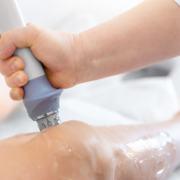
To prevent and heal golfer’s elbow – don’t just focus on the elbow itself. Work on improving shoulder stability and wrist mobility as part of your regular conditioning. In more stubborn cases – regenerative therapies like Shockwave Therapy or EMTT can speed up healing and reduce inflammation – helping you stay on the course without resorting to cortisone shots or any downtime.

3. Knee Pain

Walking the course and rotating through your swing can put a lot of pressure on your knees – especially if you lack strength in your core and hips – or have unstable feet and ankles. Your knees aren’t designed to power your swing, but they often get overworked if other areas aren’t pulling their weight.

Most knee pain in golfers is mechanical, not structural. Meaning, it’s caused by faulty movement patterns rather than actual damage, even when imaging shows said “damage”. The good news? With the right strengthening and stabilization exercises, you can typically resolve your knee pain naturally – no injections or surgery required.

4. Rotator Cuff (Shoulder) Injuries

The rotator cuff is responsible for stabilizing your shoulder, and it’s highly involved during your golf swing. If it’s weak – or if your mid-back and core aren’t supporting it – your rotator cuff can easily become inflamed or irritated.

To prevent this, build strength not only in your shoulders, but also in your mid-back, lats, and core. These “powerhouse” muscles provide a solid foundation and reduce the strain on your shoulders. If your shoulder pain is persistent, regenerative Shockwave Therapy and EMTT (like in the case of golfer’s elbow) can be an excellent way to accelerate healing and reduce the need for medication, rest, or downtime.

5. Wrist and Hand Injuries

Sprains, strains, and other wrist or hand injuries are common in golf – often due to grip issues or poorly fitted equipment. But one commonly overlooked factor is your neck. Research shows that nearly half of all upper extremity pain can be traced back to the cervical spine – even if you don’t feel any neck pain.

If nerve irritation or stiffness in your neck is the true culprit – no amount of wrist strengthening will help – because the root cause has been missed. If your wrist or hand symptoms persist despite traditional mobility, strength and even manual work, it may be time for a full-body assessment by a mechanical pain specialist who can identify whether the issue is actually coming from somewhere else.

Final Thoughts

Golf injuries can be frustrating – but they’re often preventable and highly treatable when you know what to do or where to turn for the right help. By addressing problems early, using targeted movement strategies, and supporting your body with proper mechanics – you can keep playing pain-free all season long.

And when more advanced treatment is needed – especially for tendon or joint inflammation – non-invasive regenerative therapies like Shockwave Therapy and EMTT can offer fast, effective relief and accelerate recovery.

As a physical therapist who specializes in mechanical pain and movement dysfunction, I’ve helped countless golfers who thought their playing days were over – only to return to the course stronger and better than before. The key is addressing the true source of pain, not just masking the symptoms.

Dr. Carrie Jose, Physical Therapist and Mechanical Pain Expert, owns CJ Physical Therapy & Pilates in Portsmouth, NH and writes for Seacoast Media Group. To request one of her free guides for back or knee pain – visit her website: cjphysicaltherapy.com – or call 603-380-7902

Four Non-Invasive Ways to Get Rid of Arthritic Knee Pain

Knee arthritis is one of the most common and debilitating causes of joint pain for adults over 50. As the protective cartilage in the knee joint gradually wears down, many people experience stiffness, swelling, and chronic pain that can make everyday activities—like walking the dog, climbing stairs, or getting out of the car—feel frustrating and exhausting.

For years, conventional treatments such as traditional physical therapy, cortisone injections, and pain medications have been the go-to options for knee arthritis relief. While these approaches may provide temporary symptom relief, they often fail to address the underlying mechanical and inflammatory causes of knee pain. For many people, the results are short-lived—or nonexistent.

The good news? There are effective, non-invasive, and drug-free solutions available that focus on improving joint function, reducing inflammation, and supporting your body’s natural healing process—especially for those who want to avoid injections or surgery.

Here are four non-invasive ways to relieve arthritic knee pain naturally, used successfully by many adults in Portsmouth and throughout the Seacoast of New Hampshire.


1. Corrective, Therapeutic Movement Strategies for Knee Arthritis

Movement is one of the most accessible—and powerful—tools for managing arthritic knee pain. While it may seem counterintuitive to move a painful knee, not all knee pain is caused by arthritis alone.

In many cases, pain is driven by joint stiffness, poor mechanics, and long-standing compensatory movement patternsthat place excess stress on the knee. When the joint doesn’t move well, surrounding tissues are forced to work harder, increasing irritation and discomfort.

By identifying and correcting faulty movement patterns with specifically prescribed therapeutic exercises, it’s often possible to significantly reduce pain—even in arthritic knees. These targeted strategies focus on improving knee mobility, restoring proper alignment, and optimizing how forces move through the joint.

Working with a specialist trained in mechanical pain assessment is key. Once the right movements are identified, they can be used long-term to help manage symptoms—without ongoing costs, medications, or injections.


2. Weight Management to Reduce Knee Joint Stress

Excess body weight places a significant load on the knee joints during everyday activities like walking, standing, and climbing stairs. In fact, research from Wake Forest University led by Dr. Stephen Messier found that for every pound of weight lost, there is a four-pound reduction in knee joint stress during daily movement.

That means losing just 10 pounds can reduce pressure on your knees by 40 pounds with every step.

Healthy, sustainable weight management—through smart nutrition and regular movement—can dramatically reduce knee pain and improve function. Beyond your knees, weight loss also decreases strain on the hips, ankles, and lower back, supporting overall joint health and long-term mobility.


3. Adopt an Anti-Inflammatory Lifestyle

While knee arthritis is often described as “wear and tear,” chronic inflammation plays a major role in pain, stiffness, and joint degeneration.

Reducing inflammation through lifestyle changes—especially nutrition—can lead to noticeable improvements in how your knees feel. An anti-inflammatory diet emphasizes whole, unprocessed foods rich in antioxidants and healthy fats, including:

  • Fatty fish like salmon, sardines, and mackerel
  • Dark leafy greens such as spinach and kale
  • Berries, walnuts, chia seeds, and flaxseed
  • Extra virgin olive oil
  • Anti-inflammatory spices like turmeric and ginger

At the same time, limiting refined sugars, processed grains, and fried foods is essential, as these are known to promote inflammation.

Beyond diet, other daily habits that help reduce inflammation include getting 7–8 hours of quality sleep, managing stress through walking or breathing exercises, and staying well-hydrated. These foundational changes not only support knee arthritis relief—but overall health and energy as well.


4. Explore Non-Invasive Regenerative Therapy for Knee Arthritis

One of the most exciting advances in non-surgical knee arthritis treatment is the use of non-invasive regenerative therapies, including Shockwave Therapy and EMTT (Extracorporeal Magnetotransduction Therapy).

These cutting-edge technologies work with your body’s natural healing mechanisms rather than masking pain.

  • Shockwave Therapy uses mechanical sound waves to improve blood flow, break down damaged tissue, and stimulate dormant healing cells within the knee joint.
  • EMTT uses high-frequency electromagnetic energy to reduce inflammation at the cellular level, boost mitochondrial activity, and accelerate tissue repair—making it especially effective for chronic joint inflammation and bone marrow lesions commonly seen with knee arthritis.

Recent research supports the combined use of these therapies. A 2021 clinical study published in Orthopedic Reviewsfound that using Shockwave Therapy and EMTT together led to greater improvements in pain relief and functional mobility than either treatment alone, with longer-lasting results.

For individuals who have already tried traditional physical therapy or cortisone injections without success, this non-invasive combination offers a powerful, drug-free alternative—without surgery.


Take Control of Your Knee Arthritis Pain—Naturally

If you’re living with knee arthritis and feel like you’ve exhausted your options, don’t lose hope. Pills, injections, and surgery are not your only choices.

By combining corrective movement strategies, healthy weight management, anti-inflammatory lifestyle changes, and advanced non-invasive regenerative therapies, many people are able to reduce knee pain and regain confidence in their movement—naturally and safely.

The key is addressing the root cause of your pain and choosing solutions that support long-term joint health, not just short-term relief.


About the Author

Dr. Carrie Jose, Doctor of Physical Therapy and Mechanical Pain Expert, is the owner of CJ Physical Therapy & Pilates in Portsmouth, New Hampshire. She specializes in helping adults over 40 overcome chronic knee, hip, and back pain—without relying on medication, injections, or surgery.


Cortisone Shots for Knee Pain? Why You Should Think Twice.

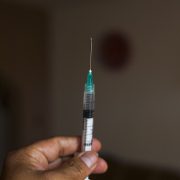
Knee pain can be incredibly disruptive – turning simple, everyday activities like walking, climbing stairs, or even standing up from a chair into painful challenges. In search of quick relief, many people turn to cortisone shots. By targeting inflammation in the knee joint, cortisone injections can temporarily ease pain and swelling, making them an appealing option when you’re hurting.

But cortisone shots are just that – a temporary fix. And they come with significant risks and downsides that are often overlooked. Let’s take a closer look at why relying on cortisone injections may not be the best long-term solution for your knee pain – and what you can do instead to find natural, healthier, and lasting relief.

The Problems with Cortisone Shots:

1. Temporary Relief Without Addressing the Root Cause

Cortisone injections can offer pain relief that lasts for weeks or even months – but they don’t address the underlying issue of your knee pain. Instead, they mask your symptoms, allowing conditions like osteoarthritis, tendonitis, or mechanical imbalances to quietly worsen over time. By simply numbing your knee pain, cortisone shots act as a band-aid – covering up the real problem while harmful movement patterns and joint stress continue unchecked. This can eventually lead to more serious, long-term damage without you even realizing it.

2. Risk of Joint Damage

Since cortisone injections only offer short-term relief, many people end up getting them repeatedly. But over time, frequent cortisone shots can actually do more harm than good – leading to cartilage breakdown and weakening the tendons and ligaments around your knee. Research shows that repeated cortisone injections can accelerate joint deterioration, increasing your risk of needing knee replacement surgery down the line. This is especially concerning for active individuals who want to stay mobile, avoid major surgery, and protect their joint health for the long run. Many people aren’t aware of this – so it’s important to know the risks.

3. Disrupts Natural Healing

Inflammation, while painful and uncomfortable, is a vital part of your body’s natural healing process. It increases blood flow, delivers nutrients, and recruits immune cells to repair damaged tissue. Cortisone injections suppress this natural inflammatory response – easing pain and swelling temporarily, but at a cost. By interfering with inflammation, cortisone limits the delivery of key nutrients and healing cells needed to repair cartilage, tendons, or ligaments. Over time, this leaves your knee joint and surrounding tissues weakened, making full recovery harder to achieve. When knee inflammation does get out of control, it’s far better to choose natural healing accelerants that support your body’s repair process – rather than disrupt it.

4. Potential Side Effects and Complications

As with any injection or invasive procedure, cortisone shots come with potential risks, including infection. Other side effects can include increased blood sugar levels, skin thinning, and changes in pigmentation around the injection site. While these risks may seem minor, they deserve serious consideration – especially when the relief they offer is only temporary. Over time, repeated cortisone use increases the likelihood of experiencing these complications. It’s important to ask yourself if short-term relief is worth the growing list of potential long-term consequences.

What to Try Instead of Cortisone Injections:

When it comes to knee pain, I always advocate for natural and effective alternatives that not only alleviate discomfort but also promote true healing. Here are three proven methods that address the root cause of knee pain rather than just suppressing symptoms:

1. Regenerative Shockwave Therapy

Shockwave therapy is a non-invasive treatment that uses acoustic sound waves to stimulate the body’s natural healing processes. By creating micro-traumas in the affected tissues, shockwave therapy boosts blood flow and encourages tissue regeneration. This treatment has been shown to improve mobility, reduce pain, and help with conditions like calcific tendonitis and osteoarthritis. Unlike cortisone injections, which only mask symptoms and can contribute to tissue breakdown, shockwave therapy actively supports healing and long-term relief. When combined with EMTT (Electromagnetic Transduction Therapy), the effectiveness of shockwave therapy is further enhanced – EMTT penetrates deeper into tissues, increases cellular activity, and accelerates the healing process, giving you even faster and more lasting results.

2. Dry Needling for Muscle Imbalances

Dry needling is a highly effective technique for targeting muscle tightness and trigger points around your knee joint. By inserting thin needles into specific areas, this therapy helps release muscle tension, improve circulation, and restore proper function. Dry needling is particularly beneficial for individuals suffering from tendonitis, chronic stiffness, or muscular imbalances that contribute to knee pain. It encourages natural healing by allowing muscles to function more efficiently, reducing strain on your knee joint.

3. Working with a Mechanical Knee Pain Specialist

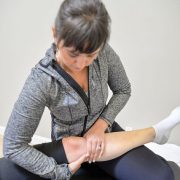
A mechanical knee pain specialist is trained to analyze movement patterns and pinpoint the underlying causes of your knee discomfort. Unlike general healthcare providers who may prescribe pain medications or generic exercises, these specialists take a customized approach – identifying joint misalignments, muscle imbalances, and faulty movement patterns to develop a personalized rehabilitation plan. They assess how the entire body contributes to knee mechanics, ensuring all contributing factors are addressed. This comprehensive, root-cause approach not only restores knee function and prevents future pain but also leads to more effective, lasting results compared to the temporary relief offered by cortisone shots.

A Smarter Path to Knee Pain Relief:

While cortisone shots may seem like a convenient and quick option, they do little to promote true healing of your knee pain and can actually cause long-term harm. Natural treatments – such as regenerative shockwave therapy, dry needling, and working with a mechanical knee pain specialist – offer a more effective and safer path to knee pain relief. Instead of masking pain, these alternative treatments address the root cause, restore function, and help prevent future injury – giving you real, lasting relief.

Top Causes of Knee Pain and How to Get Lasting, Natural Relief

Knee pain affects millions of people worldwide, often interfering with daily activities such as walking, squatting, climbing stairs, and even getting in and out of the car.

It is one of the most common musculoskeletal complaints, second only to back pain. Whether your knee pain started suddenly or has worsened over time – you might be wondering – what’s really causing it? And can you get rid of it naturally?

The good news is that, in most cases, yes. Many common causes of knee pain can be addressed without medications, injections, or surgery. Here are some of the top reasons behind knee pain and what you can do to find lasting, natural relief that doesn’t involve medication, injections, procedures, or surgery:

1. Patellofemoral Pain Syndrome (Runner’s Knee)

Also known as “runner’s knee,” patellofemoral pain syndrome (PFS) is characterized by pain in the front of the knee, usually just below or behind the kneecap. This condition is often caused by improper movement patterns and muscle imbalances that place excessive pressure on your kneecap, leading to inflammation and discomfort.

To alleviate PFS, it’s important to avoid excessive kneeling, squatting, or repetitive knee bending until the pain subsides. For long-term relief, focus on strengthening the muscles surrounding your knee, particularly the hips and thighs, to improve stability and reduce stress on your kneecap. Corrective exercises that promote proper kneecap tracking, such as step-ups and lateral band walks, can help to further optimize knee function and prevent future flare-ups.

2. Iliotibial Band Syndrome (ITBS)

ITBS causes pain on the outer side of the knee and is commonly seen in runners and cyclists. The iliotibial (IT) band is a thick band of connective tissue running from the hip to the knee, and when it becomes tight or inflamed, it can lead to irritation and pain.

While many people resort to foam rolling for relief, this only provides temporary symptom management. To address ITBS at its root, focus on strengthening the glutes and core, as weak glutes often lead to overcompensation and excessive strain on the IT band. Correcting pelvic imbalances and optimizing hip mobility will also be key for long-term relief. Additionally, taking a temporary break from any aggravating activities will allow the inflammation to subside and the tissues to heal properly, provided you’re taking an active approach to tissue healing versus rest only.

3. Tendinitis (Jumper’s Knee)

Tendinitis occurs when the patellar tendon, which connects the kneecap to the shinbone, becomes inflamed. This condition is common in athletes and individuals who engage in frequent jumping or repetitive knee movements.

A common treatment for tendinitis is cortisone injections, but these only provide temporary relief and may contribute to further tissue damage over time. Instead, consider regenerative treatments like Shockwave Therapy, which naturally enhances your body’s ability to reduce inflammation and accelerate tendon healing. Once inflammation is managed, strengthening the hamstrings, glutes, and calf muscles will provide better knee support and reduce tendon strain. Incorporating eccentric exercises, such as slow step-downs, can also help build tendon resilience and prevent future injuries.

4. Osteoarthritis

Osteoarthritis (OA) is the gradual degeneration of cartilage in the knee joint. While it is a natural part of aging, experiencing constant pain and limited mobility does not have to be. Many people believe that knee arthritis inevitably leads to surgery, but the truth is that optimizing movement and reducing inflammation can be powerful tools in managing OA long-term, even with “bone on bone” OA.

Rather than relying on cortisone injections and pain medication, consider alternative treatments such as Regenerative Therapy (specifically EMTT) to target inflammation deep at the cellular level. From there, implementing corrective exercises that strengthen the muscles surrounding the knee – particularly your quadriceps, hamstrings, and glutes – can reduce joint stress and help prevent inflammation from returning. Since inflammation is the primary driver of pain in OA, addressing it naturally through movement and strength training can help you avoid major surgery while still finding lasting relief.

5. Meniscus Tears

The meniscus is a piece of cartilage that cushions the knee joint. Over time, wear and tear can lead to meniscus tears – which cause pain, stiffness, and occasional knee locking. Many people assume that surgery is the only solution, but research has shown that placebo surgery can be just as effective as actual meniscus surgery, suggesting that natural recovery is possible.

Managing a meniscus tear naturally involves first addressing the inflammation caused by the tear. As previously mentioned, EMTT and Shockwave Therapy (especially when combined) can be particularly effective in reducing pain and inflammation, often providing immediate relief. Beyond that, focusing on proper knee mechanics is essential. In many cases, the issue isn’t the tear itself, but rather a lack of mobility and movement in the knee joint that continues to aggravate it. A mechanical knee pain specialist can help identify and correct these dysfunctions. Once inflammation is controlled and knee mechanics are optimized, strengthening and conditioning the surrounding muscles can provide long-term relief without the need for injections or surgery.

Finding Long-Term Relief Naturally

For most cases of knee pain, the key to lasting relief is movement – not rest, avoidance, injections, or surgery. Whether your pain is caused by an overuse injury, muscle imbalance, or arthritis – addressing the root cause with targeted exercises and mobility work is essential. Reducing inflammation naturally is also crucial for long-term joint health. If you’re struggling to determine the root cause of your knee pain or finding the right treatment approach – consider working with a mechanical knee pain specialist who can guide you toward the best non-invasive, long-term solutions.

Dr. Carrie Jose, Physical Therapy Specialist, and Mechanical Pain Expert, owns CJ Physical Therapy & Pilates in Portsmouth, NH, and writes for Seacoast Media Group. If local to Portsmouth, NH, and looking for help – request a FREE Discovery Visit with one of her Specialists by CLICKING HERE.

Why Surgery should be your Last Resort for Knee Pain

Arthroscopic knee surgery is one of the most common surgeries performed – despite research telling us that it’s not nearly as effective as most people are led to believe. Furthermore, the science tells us that people who do undergo arthroscopic knee surgery are more likely to have knee arthritis that advances rapidly – resulting in a total knee replacement that quite possibly could have been avoided.

Arthroscopic knee surgery is a minimally invasive procedure that’s commonly done to help “clean out” your knee joint if you’ve got degenerative arthritis, or to clip out pieces of a torn meniscus that might be irritating your knee.

Sounds pretty simple and harmless – right?

Well… it is until it isn’t. 

The big problem is that arthroscopic knee surgery is actually not necessary for most cases of knee pain. If there is a complication – which exists even with “minimally invasive” procedures – you could end up being worse off than when you went in. Plus – if you never even needed the surgery to begin with – you just put your knee through unnecessary trauma that you’ve got to now heal from. This further delays you from addressing the root cause of your knee pain.

The truth is that most people can get full relief of their knee pain as well as full restoration of knee function without any type of surgery or procedure. This is true for 70-80% of all knee pain cases.

An early research study from 2002 by JB Mosely and colleagues, and published in the New England Journal of Medicine, revealed that placebo surgery for advanced knee arthritis was just as effective as actual arthroscopic surgery. Since then, numerous studies have proven similar results. This means that even if you have a torn meniscus or degenerative arthritis in your knee – you can still get better naturally and with conservative treatment. 

So why then – despite all this research – are surgeons still performing arthroscopic knee surgery at a higher rate than ever?

In some cases it’s just what the surgeon knows, and they haven’t kept up with the research. Other times, it’s due to poor conservative management of knee pain beforehand. If you’ve gotten physical therapy and it wasn’t effective, people are led to believe that the physical therapy “didn’t work”. But more often than not, you just haven’t found the right physical therapist yet – or seen a physical therapy specialist who is an expert in mechanical knee pain. 

And then there’s the elephant in the room…

It’s very common for knee pain to be coming from somewhere other than your knee.

Knee pain can come from your ankle, hip, or back. One study showed that 25% of the time – knee pain is caused by a source in your spine – even when you don’t have any back pain. MRI’s add even more confusion to this. It’s entirely possible to have degenerative changes, a torn meniscus, or advanced arthritis in your knee – and still have your knee pain stemming from a source other than your knee. For example, in a study by Guermazi et al from 2012, they performed MRI’s on 504 people with pain-free knees. They found that 72% of these folks had bone osteophytes – indicating arthritis. And 25% of them had meniscus tears. So it’s important to not jump into knee surgery simply based on MRI findings.

My career has spanned over 2 decades, and I’ve seen many knee surgeries go wrong. Most of the time, it has nothing to do with the procedure itself, but everything to do with an incorrect diagnosis going in. If your knee pain can be resolved conservatively – and you put it through unnecessary trauma (surgery) – there’s a good chance you’re going to have more problems afterwards. If you get knee surgery when your knee problem isn’t even coming from your knee – then you’re definitely going to have problems afterwards.

The moral of this story is to make absolutely certain that 1) your knee problem is really a knee problem and 2) you’ve fully exhausted all conservative therapy options (including specialized physical therapy) before going under the knife.

Dr. Carrie Jose, Physical Therapy Specialist and Mechanical Knee Pain expert, owns CJ Physical Therapy & Pilates in Portsmouth and writes for Seacoast Media Group. To get in touch – or request a copy of her Free Guide: 7 Easy Ways to Get Rid of Knee Pain – click here.

How Mobility and Strength Are Key to Resolving a Meniscus Tear Naturally

A meniscus tear is one of the most common knee injuries, and it’s known for causing significant pain, swelling, and restriction of movement that can seriously disrupt an active lifestyle.

While surgery may seem like the only solution – and perhaps that’s what you’ve been told – many people (80% in fact) can successfully avoid invasive procedures like cortisone and surgery if they want to. 

The key?

Focusing on specialized mobility and strength training of your knee. But first – what exactly is a meniscus tear and how does it cause problems for your knee?

The meniscus is a cartilaginous structure in your knee joint that acts as a shock absorber. It sits between your thigh bone (femur) and shin bone (tibia) and you have two of them: one on the inside of your knee joint (medial) and one on the outside (lateral). Together, they help distribute weight and cushion your knee during activities like walking, running, and jumping.

So how do meniscus tears happen?

You can get a meniscus tear suddenly from twisting or pivoting motions, or it can develop gradually over time due to age or wear and tear.

But here’s the thing… Sometimes – especially when your meniscus tear develops slowly – it can be damaged without feeling any knee pain or symptoms. For example, a study published in the New England Journal of Medicine found that 35% of people over the age of 50 had meniscus tears on their MRI, but no knee pain or other symptoms. In another study, published in the Journal of the American Medical Association – it was reported that 60% of men and women over the age of 65 who had a meniscus tear on their MRI also had no symptoms in their knees. What is the significance of this? It means that it’s entirely possible to “live” with a meniscus tear and not have any knee pain – which means it’s also entirely possible to avoid surgery and cortisone shots.

So why do some meniscus tears cause pain when others don’t? 

When you have a meniscus tear – it has the potential to disrupt your knee’s natural mechanics – but not all tears do.

When the mechanics of your knee are compromised, that’s when you experience symptoms. Why? Because faulty knee mechanics (over time) will cause compensatory strategies to happen in the joint itself – as well as the surrounding muscles and structures.

This is what actually causes pain – not necessarily the tear itself.

Simply going in and “cutting out” the meniscus tear will not solve the problem of faulty knee joint mechanics. It’s why so many people end up with no relief at all after surgery – or just temporary relief of pain that returns anywhere from months to years later. In 80% of knee pain cases that involve a meniscus tear – the faulty knee mechanics are what truly cause the problems and pain – not the tear itself. That’s why focusing on the joint mechanics and mobility first is more important – because if you can restore that – the tear often becomes a non-issue – just like all the people in those research studies.

Now – when I talk about knee mechanics – I’m referring to both knee mobility and strength – and how they work harmoniously together. 

Mobility refers to the ability of your knee joint to move smoothly and freely through its full range of motion. Strength refers to the stability around your knee joint – which comes from muscles and tendons. When a meniscus tear causes your knee joint mobility to be blocked and disrupted – meaning it’s unable to bend and extend properly – it puts stress on the surrounding structures and muscles – causing a cascade of events that eventually lead to pain and swelling.

To achieve natural knee pain relief after a meniscus tear – restoring mobility is the first critical first step – followed by strengthening. But a lot of people get this wrong. That’s why it’s important you work with a mechanical knee pain specialist who understands the intricate nature of a meniscus tear and how it impacts your knee mechanics. You can’t just do random strength and mobility exercises. They need to be prescribed to you in a specific and strategic manner so that you can “free” the tear and restore your knee mechanics. In other words, YouTube and Google won’t be able to help you.

If you’re confused – I don’t blame you – but the research doesn’t lie.

For most people, especially those over the age of 40, there’s a 70-80% chance you can get full relief of your knee pain after a meniscus tear, without any type of surgery or procedure. This is not a popular opinion by the way. Arthroscopic meniscus surgery is one of the most common (and profitable) surgeries out there. If a meniscus tear appears on your MRI – a common recommendation will be surgery. But if that’s not what you want – I’m here to tell you it’s entirely possible to resolve pain and dysfunction from your meniscus tear naturally. But you’ll want to work with a mechanical knee pain specialist to do that. Reach out if you need help finding one in your area.

Are you local to Portsmouth, NH? If so, consider speaking to one of my specialists in a Free Discovery Session. This 30-min session is a designed to: 1. Make sure we can help you 2. Make sure you’re a good fit for what we do. 3. Make sure we’re a good fit for you. Click here to speak with a specialist.

Dr. Carrie Jose, Physical Therapist and Pilates expert, owns CJ Physical Therapy & Pilates in Portsmouth and writes for Seacoast Media Group. To get in touch or sign up for her upcoming Masterclass for Knee Pain Sufferers – CLICK HERE or call 603-380-7902