Why Your Knee Still Hurts – And What Actually Helps It Heal
Advice From a Knee Pain Specialist in Portsmouth, NH
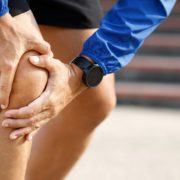
Knee pain has an annoying way of sneaking into everyday life. At first, it might just feel a little stiff when you stand up from a chair. Then you start noticing it when walking down stairs or getting in and out of the car. Before long, you realize you’re avoiding things you used to enjoy – long walks, hiking, exercise classes, or even playing with your kids or grandkids.
For many adults over 40 in the Seacoast area, knee pain becomes something they simply learn to live with. And when they finally decide to seek help, they are often given a familiar set of options: rest, pain medication, cortisone injections, or eventually surgery.
Sometimes the advice is even worse.
A woman I recently spoke with was told: “Just look it up online – there are exercises you can do on your own for this.”
Yes – I was horrified.
But here’s what many people in and around Portsmouth don’t realize: most knee pain is far more treatable than people think, and in many cases it can improve naturally. That means you may not need medication, injections, or invasive procedures.
But first, you have to understand what is actually causing your pain.
Most Knee Pain Isn’t What You Think
When people experience persistent knee pain, the first instinct is often to look for structural damage. X-rays and MRIs frequently reveal things like arthritis, meniscus tears, or cartilage degeneration.
Those findings can sound alarming.
But research has consistently shown something surprising – many people with these exact findings have no knee pain at all.
In fact, studies have found that more than half of adults over 50 show signs of meniscus tears or arthritis on imaging even when their knees feel perfectly fine.
This tells us something important.
What shows up on imaging is not always the true cause of pain.
In many cases – nearly 80 percent – knee pain is actually mechanical. This means it is related to how the body moves and distributes force through the joints rather than damage to the structures themselves.
Small issues in movement patterns, muscle strength, flexibility, or joint mobility can place excessive stress on the knee. Over time, that stress leads to irritation, inflammation, and pain.
The encouraging part is that mechanical knee pain is highly treatable once it is identified.
Why Quick Fixes Often Fall Short
Because knee pain can be frustrating and limiting, many people look for fast relief.
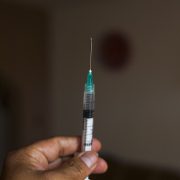
Cortisone injections are one of the most common treatments recommended for knee pain. They work by reducing inflammation in the joint, which can temporarily decrease pain.
But cortisone injections come with an important limitation – they do not address the root cause of the problem.
Instead, they simply quiet the symptoms.
This can create a situation where the underlying issue continues to worsen while the pain is temporarily masked. Some people then end up receiving repeated injections over time and eventually undergo total knee replacement due to progressive joint damage.
Research has also shown that repeated cortisone injections may accelerate joint deterioration and contribute to cartilage breakdown over time.
Even more important, cortisone suppresses the body’s natural inflammatory response, which plays a critical role in tissue repair and healing.
In other words, cortisone shots may reduce symptoms in the short term, but they can interfere with your body’s ability to truly recover.
What Actually Helps Knee Pain Heal
The good news is that the body is remarkably capable of healing and adapting when given the right environment.
Instead of masking pain, the goal should be to restore proper movement and support the tissues around the knee so they can function the way they were designed to.
Strengthening the Muscles That Support the Knee
Your knee does not operate in isolation. The muscles of your hips, glutes, and core play a major role in controlling how force moves through your leg.
When these muscles are weak or poorly coordinated, the knee often ends up absorbing more stress than it should.
Strengthening these supporting muscles can significantly reduce pressure on the knee joint and improve stability during walking, climbing stairs, and exercise.
Improving Mobility and Flexibility
Mobility is equally important for healthy knees.
Tight muscles and stiff joints can change the way your body moves. When the hips, hamstrings, or quadriceps lack flexibility, the knee often compensates by taking on additional strain.
Improving mobility throughout the lower body helps distribute forces more evenly and allows the knee to move more efficiently.
Continuing to Move
One of the biggest misconceptions about knee pain is that rest is the best solution.
In reality, too much rest often makes knee pain worse.
Movement helps circulate nutrients through the joint, lubricate cartilage, and maintain strength in surrounding muscles. Low-impact activities such as walking, cycling, swimming, and Pilates can help support joint health without overloading the knee.
Treatments That Support Natural Healing
In some cases, additional treatments can stimulate the body’s natural healing response.
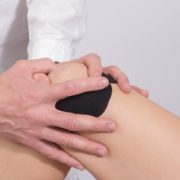
Technologies such as regenerative shockwave therapy and electromagnetic transduction therapy (EMTT) are designed to increase blood flow, stimulate cellular repair, and reduce inflammation without medications or injections.
These treatments work with the body’s natural healing processes rather than suppressing them.
A Different Way to Think About Knee Pain
One of the most important mindset shifts people can make is moving away from the idea that knee pain is simply the result of “wear and tear” that must inevitably worsen with age.
Our bodies are far more adaptable than that.
With the right combination of movement, strength, mobility, and professional guidance, many people can reduce pain, restore function, and return to the activities they love without injections, medications, or surgery.
The knee is a remarkably resilient joint when it is supported properly.
And for many people, the path back to healthy knees begins with restoring the way the body moves.
Dr. Carrie Jose is a Physical Therapy Specialist and Mechanical Knee Pain expert and owner of CJ Physical Therapy & Pilates. She helps active adults across the Seacoast stay mobile, avoid unnecessary surgery, and get back to the activities they love.
For a free copy of her Guide to Knee Pain or information about an upcoming Knee Pain Masterclass, visit cjphysicaltherapy.com or call 603-380-7902.