Four Non-Invasive Ways to Get Rid of Arthritic Knee Pain
Knee arthritis is one of the most common and debilitating causes of joint pain for adults over 50. As the protective cartilage in the knee joint gradually wears down, many people experience stiffness, swelling, and chronic pain that can make everyday activities—like walking the dog, climbing stairs, or getting out of the car—feel frustrating and exhausting.
For years, conventional treatments such as traditional physical therapy, cortisone injections, and pain medications have been the go-to options for knee arthritis relief. While these approaches may provide temporary symptom relief, they often fail to address the underlying mechanical and inflammatory causes of knee pain. For many people, the results are short-lived—or nonexistent.
The good news? There are effective, non-invasive, and drug-free solutions available that focus on improving joint function, reducing inflammation, and supporting your body’s natural healing process—especially for those who want to avoid injections or surgery.
Here are four non-invasive ways to relieve arthritic knee pain naturally, used successfully by many adults in Portsmouth and throughout the Seacoast of New Hampshire.
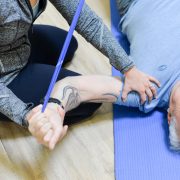
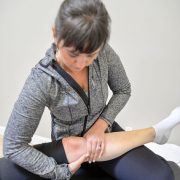
1. Corrective, Therapeutic Movement Strategies for Knee Arthritis
Movement is one of the most accessible—and powerful—tools for managing arthritic knee pain. While it may seem counterintuitive to move a painful knee, not all knee pain is caused by arthritis alone.
In many cases, pain is driven by joint stiffness, poor mechanics, and long-standing compensatory movement patternsthat place excess stress on the knee. When the joint doesn’t move well, surrounding tissues are forced to work harder, increasing irritation and discomfort.
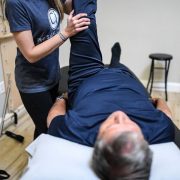
By identifying and correcting faulty movement patterns with specifically prescribed therapeutic exercises, it’s often possible to significantly reduce pain—even in arthritic knees. These targeted strategies focus on improving knee mobility, restoring proper alignment, and optimizing how forces move through the joint.
Working with a specialist trained in mechanical pain assessment is key. Once the right movements are identified, they can be used long-term to help manage symptoms—without ongoing costs, medications, or injections.
2. Weight Management to Reduce Knee Joint Stress
Excess body weight places a significant load on the knee joints during everyday activities like walking, standing, and climbing stairs. In fact, research from Wake Forest University led by Dr. Stephen Messier found that for every pound of weight lost, there is a four-pound reduction in knee joint stress during daily movement.
That means losing just 10 pounds can reduce pressure on your knees by 40 pounds with every step.
Healthy, sustainable weight management—through smart nutrition and regular movement—can dramatically reduce knee pain and improve function. Beyond your knees, weight loss also decreases strain on the hips, ankles, and lower back, supporting overall joint health and long-term mobility.
3. Adopt an Anti-Inflammatory Lifestyle
While knee arthritis is often described as “wear and tear,” chronic inflammation plays a major role in pain, stiffness, and joint degeneration.
Reducing inflammation through lifestyle changes—especially nutrition—can lead to noticeable improvements in how your knees feel. An anti-inflammatory diet emphasizes whole, unprocessed foods rich in antioxidants and healthy fats, including:
- Fatty fish like salmon, sardines, and mackerel
- Dark leafy greens such as spinach and kale
- Berries, walnuts, chia seeds, and flaxseed
- Extra virgin olive oil
- Anti-inflammatory spices like turmeric and ginger
At the same time, limiting refined sugars, processed grains, and fried foods is essential, as these are known to promote inflammation.
Beyond diet, other daily habits that help reduce inflammation include getting 7–8 hours of quality sleep, managing stress through walking or breathing exercises, and staying well-hydrated. These foundational changes not only support knee arthritis relief—but overall health and energy as well.
4. Explore Non-Invasive Regenerative Therapy for Knee Arthritis
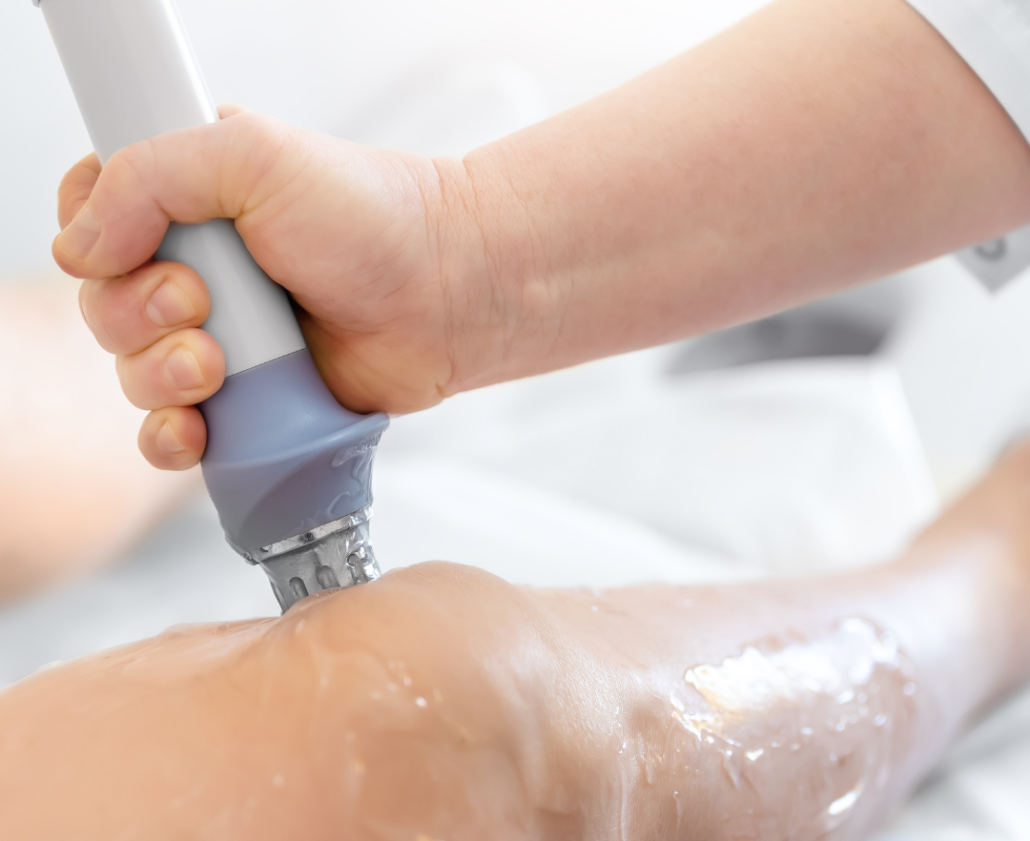
One of the most exciting advances in non-surgical knee arthritis treatment is the use of non-invasive regenerative therapies, including Shockwave Therapy and EMTT (Extracorporeal Magnetotransduction Therapy).
These cutting-edge technologies work with your body’s natural healing mechanisms rather than masking pain.
- Shockwave Therapy uses mechanical sound waves to improve blood flow, break down damaged tissue, and stimulate dormant healing cells within the knee joint.
- EMTT uses high-frequency electromagnetic energy to reduce inflammation at the cellular level, boost mitochondrial activity, and accelerate tissue repair—making it especially effective for chronic joint inflammation and bone marrow lesions commonly seen with knee arthritis.
Recent research supports the combined use of these therapies. A 2021 clinical study published in Orthopedic Reviewsfound that using Shockwave Therapy and EMTT together led to greater improvements in pain relief and functional mobility than either treatment alone, with longer-lasting results.
For individuals who have already tried traditional physical therapy or cortisone injections without success, this non-invasive combination offers a powerful, drug-free alternative—without surgery.
Take Control of Your Knee Arthritis Pain—Naturally
If you’re living with knee arthritis and feel like you’ve exhausted your options, don’t lose hope. Pills, injections, and surgery are not your only choices.
By combining corrective movement strategies, healthy weight management, anti-inflammatory lifestyle changes, and advanced non-invasive regenerative therapies, many people are able to reduce knee pain and regain confidence in their movement—naturally and safely.
The key is addressing the root cause of your pain and choosing solutions that support long-term joint health, not just short-term relief.
About the Author
Dr. Carrie Jose, Doctor of Physical Therapy and Mechanical Pain Expert, is the owner of CJ Physical Therapy & Pilates in Portsmouth, New Hampshire. She specializes in helping adults over 40 overcome chronic knee, hip, and back pain—without relying on medication, injections, or surgery.