
Tag Archive for: anti-inflammatory

6 Reasons Your Muscles Are the Secret to Staying Young

When most people think about anti-aging, they picture creams, supplements, or the latest medical breakthroughs.

But one of the most powerful tools for staying young is something you’re born with – your muscles. Everyone knows muscles are key for strength and appearance, but research shows they do far more than that. Muscles act like living medicine inside your body. Every time they contract, they send out chemical signals that influence your brain, heart, bones, and immune system. In fact, researchers now recognize that maintaining muscle may be one of the most effective ways to protect your health, preserve independence, and extend your life.

So – what exactly makes building muscle such a potent anti-aging secret?

Here are six important ways your muscles act like medicine:

1. Muscles Fight Inflammation

One of the hallmarks of aging is something scientists call “inflammaging” – chronic, low-grade inflammation that damages tissues and raises the risk of cardiovascular disease, arthritis, and Alzheimer’s. But here’s what’s fascinating… When your muscles contract during exercise, they release anti-inflammatory chemicals known as myokines. One of the best studied is interleukin-6 (IL-6). Unlike the IL-6 produced by fat tissue, which fuels inflammation – muscle-derived IL-6 helps regulate the immune system and suppress harmful inflammatory signals.

This helps explain why U.S. studies, such as the long-running Alameda County Study, have consistently shown that physically active adults live longer and age with fewer health problems. In other words – every time you use your muscles – you’re helping your body reverse damaging inflammation.

2. Muscles Stabilize Blood Sugar

Muscle is the largest site of glucose disposal in your body. The more muscle you have – and the more you use it – the more efficiently your body processes sugar. Resistance training improves insulin sensitivity, which means your muscles can absorb glucose from the bloodstream more effectively.

A 2024 meta-analysis found that structured resistance training reduced HbA1c, a long-term marker of blood sugar control, by about half a percentage point – an effect comparable to some common diabetes drugs. For millions of Americans at risk for diabetes, maintaining and building muscle is one of the most powerful ways to keep blood sugar steady and prevent disease.

3. Muscles Strengthen Bones

Strong muscles don’t just move your body – they help to strengthen bone. Every time muscles contract against bone, they stimulate bone growth and increase bone density. This is one of the most effective natural defenses against osteoporosis, a disease that affects more than 10 million Americans and dramatically raises fracture risk.

As we age, fractures can mean the loss of independence. But by strengthening muscles through regular resistance training – you also strengthen the bones they attach to – creating a double layer of protection.

4. Muscles Protect Your Brain

Healthy muscles send protective signals to your brain. As previously mentioned – when you exercise and contract muscles – they release myokines. In addition to IL-6, myokines such as irisin and brain-derived neurotrophic factor (BDNF) stimulate the growth of new neurons, strengthen existing connections, and improve brain plasticity.

The benefits are measurable. Studies of older American adults have shown that maintaining muscle strength later in life is associated with sharper memory, slower cognitive decline, and reduced risk of dementia. Exercise also boosts endorphins, which elevate mood and help combat depression and anxiety. Keeping your muscles active is one of the most reliable ways to keep both your body and mind young.

5. Muscles Support Heart Health

We often think of walking or jogging as the best ways to support cardiovascular health. But research now shows that strength training deserves equal credit. Resistance exercise improves circulation, reduces arterial stiffness, and lowers blood pressure.

In a massive U.S. study of more than 116,000 adults – those who consistently met or exceeded physical activity guidelines – including strength training – had up to a 31 percent lower risk of death from any cause – and up to a 38 percent lower risk of dying from cardiovascular disease. These findings echo results from the British Journal of Sports Medicine, which showed that just 30 to 60 minutes of strength training per week reduced risk of chronic disease and early death. When it comes to your heart, strong muscles really are medicine.

6. Muscles Extend Longevity

Perhaps the most compelling evidence for the concept of “muscles are medicine” is its impact on survival. Studies consistently show that muscle mass and strength are stronger predictors of longevity than body weight or BMI. One U.S. study of college alumni found that those who maintained higher activity levels in midlife had significantly lower risks of heart disease and lived longer lives.

Muscle also serves as a critical protein reserve. When illness, surgery, or trauma strikes – your body draws on muscle stores to support healing, immune function, and tissue repair. People with greater muscle mass not only live longer but also recover more quickly when health challenges arise. Stronger muscles simply mean greater resilience.

The Bottom Line

Your muscles do far more than help you look fit or lift heavy things. They fight inflammation, regulate blood sugar, strengthen bones, protect your brain, support your heart, and extend your life. Best of all, you don’t need hours in the gym to see these benefits. Just 30 to 60 minutes of strength training per week, combined with regular movement, can produce profound results.

But if pain or injury is holding you back, don’t ignore it. The longer you wait, the harder it can be to bounce back – and the more you miss out on this natural anti-aging tool. If back, knee, hip, neck, or shoulder pain is keeping you from building muscle, talk to a physical therapy specialist who can help you return safely. With the right guidance, you can overcome those barriers and put your muscles to work – as they are your best-kept secret to staying young.

Looking for help and local to Portsmouth NH? Consider speaking to one of my specialists by clicking HERE.

Dr. Carrie Jose, Physical Therapy Specialist and Mechanical Pain Expert, owns CJ Physical Therapy & Pilates in Portsmouth, NH, and writes for Seacoast Media Group. If local to Portsmouth, NH, and looking for help, request a FREE Discovery Visit with one of her Specialists by CLICKING HERE.

Arthritis Pain Isn’t the End – How to Stay Active for the Long Haul

Arthritis is one of the most common conditions I see in my clinic – and one of the most misunderstood.

Many people assume it’s just an inevitable part of aging, but what’s often overlooked is how much can actually be done to manage it naturally and effectively.

What frustrates me most is the message many people still hear – that arthritis pain is something you just have to “live with,” managed only through pills, injections, or eventually surgery. But the truth is that while arthritis may not be something you can erase or reverse – there are countless ways to manage your symptoms naturally, safely, and effectively – without becoming dependent on quick fixes that often backfire in the long run.

Here are just a few of the approaches I recommend to my patients who want to stay active and independent well into their later years – even with arthritis.

Move Every Day (Even When You Don’t Feel Like It)

When your joints ache, movement is usually the last thing you want to do. But ironically, it’s one of the best things you can do. Gentle, consistent exercise increases circulation, nourishes your cartilage, and keeps inflammation from settling in. Walking, biking, or swimming are excellent choices because they don’t put excess stress on your joints. Practices like yoga or Pilates improve balance and mobility, making daily activities easier and reducing the strain on your joints. And strength training – despite what many believe – is actually good for arthritis because it takes pressure off your joints by making the muscles around them stronger.

Even five to ten minutes of daily activity can mean the difference between feeling stiff all day or moving with more freedom. The less you move, the worse arthritis tends to get – so finding ways to stay active is one of the best investments you can make in your future health.

Fuel Your Body With Anti-Inflammatory Foods

What you eat matters. An anti-inflammatory diet can help reduce the swelling and stiffness that drive arthritis pain. Omega-3 rich foods like salmon or flax seeds, antioxidant-packed fruits and vegetables, and spices such as turmeric and ginger all have powerful healing effects. At the same time, cutting back on processed foods, refined sugars, and fried items can significantly improve how your joints feel – and it brings benefits for your overall health as well.

Think of food as medicine, because for arthritis it truly can be. Many of my patients notice a big difference in their pain levels and energy simply by reducing sugar and processed foods while adding more colorful fruits, vegetables, and healthy fats.

Prioritize Weight and Posture

Every extra pound you carry puts additional strain on your hips, knees, and back. Even small amounts of weight loss can dramatically reduce pressure on your joints and give you noticeable relief. But here’s something many people miss – posture can play just as big a role.

When you sit, stand, or walk with poor posture, you create uneven forces through your joints. Over time, this increases wear and tear, and can be aggravating to an already arthritic joint. Learning how to align your body correctly can protect your joints just as effectively as losing weight. The way you move every day, whether you’re getting out of a chair or bending to pick something up, can either help your arthritis or make it worse.

Don’t Let MRIs or X-rays Dictate Your Treatment

One of the biggest mistakes I see is when people let imaging results control their decisions. While MRIs and X-rays are useful in certain situations, they are not the whole story. Numerous studies have shown that people with severe degenerative changes on their scans often have no pain at all. In fact, research suggests that as many as 60–70% of people over the age of 50 show some level of arthritis or disc degeneration on imaging – even if they feel perfectly fine.

This matters because once you’re told your pain is due to what’s seen on a scan, you’re far more likely to be funneled toward procedures you may not need. Cortisone injections, for example, only mask pain and actually weaken tissue when used repeatedly. Arthroscopic surgery for knee arthritis has been shown to accelerate the very degenerative changes it’s supposed to help.

And then there’s the dreaded phrase: “bone-on-bone.” While this sounds scary, it does not automatically mean you need a joint replacement. Many people live full, active lives with joints that appear “bone-on-bone” on imaging, as long as they are moving well and keeping their surrounding muscles strong. If you rely only on what the picture shows, you risk missing out on safe, natural solutions that can help you stay mobile and independent.

Explore Longevity Treatments that Boost Healing

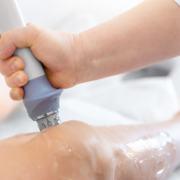
One of the most exciting developments in arthritis care right now is the rise of non-invasive therapies that actually help your joints heal and last longer. The combination of Shockwave Therapy (ESWT) and EMTT (Extracorporeal Magnetotransduction Therapy), for example, helps to stimulate blood flow, reduce inflammation, and restore mobility at the cellular level deep inside your joint.

Unlike cortisone shots, which only provide temporary relief while weakening tissue, these therapies encourage your body’s natural ability to repair itself. Many of my patients have experienced less pain, more mobility, and faster recovery – without downtime or drugs. Instead of masking symptoms, these treatments support long-term joint health and help you stay active well into the future.

A Final Word of Encouragement

If you live with arthritis – it doesn’t mean you are destined for a life of pain or dependence on invasive treatments or pills. Your body has an amazing capacity to heal when given the right environment. Whether it’s moving a little more each day, adjusting your diet, improving your posture, questioning unnecessary procedures, or exploring longevity treatments – there are always steps you can take to improve your quality of life.

Arthritis may be common, but it doesn’t have to define you or your future.

With the right strategies, you can stay active, independent, and doing the things you love for years to come. Local to Portsmouth, NH and looking for help?

Consider speaking to one of my specialists. CLICK HERE to book a free discovery visit.

Dr. Carrie Jose, Physical Therapy Specialist and Mechanical Pain Expert, owns CJ Physical Therapy & Pilates in Portsmouth, NH, and writes for Seacoast Media Group. If local to Portsmouth, NH, and looking for help, request a FREE Discovery Visit with one of her Specialists by CLICKING HERE.
Four Non-Invasive Ways to Get Rid of Arthritic Knee Pain

Knee arthritis is one of the most common and debilitating causes of joint pain for adults over 50. As the protective cartilage in the knee joint gradually wears down, many people experience stiffness, swelling, and chronic pain that can make everyday activities—like walking the dog, climbing stairs, or getting out of the car—feel frustrating and exhausting.

For years, conventional treatments such as traditional physical therapy, cortisone injections, and pain medications have been the go-to options for knee arthritis relief. While these approaches may provide temporary symptom relief, they often fail to address the underlying mechanical and inflammatory causes of knee pain. For many people, the results are short-lived—or nonexistent.

The good news? There are effective, non-invasive, and drug-free solutions available that focus on improving joint function, reducing inflammation, and supporting your body’s natural healing process—especially for those who want to avoid injections or surgery.

Here are four non-invasive ways to relieve arthritic knee pain naturally, used successfully by many adults in Portsmouth and throughout the Seacoast of New Hampshire.


1. Corrective, Therapeutic Movement Strategies for Knee Arthritis

Movement is one of the most accessible—and powerful—tools for managing arthritic knee pain. While it may seem counterintuitive to move a painful knee, not all knee pain is caused by arthritis alone.

In many cases, pain is driven by joint stiffness, poor mechanics, and long-standing compensatory movement patternsthat place excess stress on the knee. When the joint doesn’t move well, surrounding tissues are forced to work harder, increasing irritation and discomfort.

By identifying and correcting faulty movement patterns with specifically prescribed therapeutic exercises, it’s often possible to significantly reduce pain—even in arthritic knees. These targeted strategies focus on improving knee mobility, restoring proper alignment, and optimizing how forces move through the joint.

Working with a specialist trained in mechanical pain assessment is key. Once the right movements are identified, they can be used long-term to help manage symptoms—without ongoing costs, medications, or injections.


2. Weight Management to Reduce Knee Joint Stress

Excess body weight places a significant load on the knee joints during everyday activities like walking, standing, and climbing stairs. In fact, research from Wake Forest University led by Dr. Stephen Messier found that for every pound of weight lost, there is a four-pound reduction in knee joint stress during daily movement.

That means losing just 10 pounds can reduce pressure on your knees by 40 pounds with every step.

Healthy, sustainable weight management—through smart nutrition and regular movement—can dramatically reduce knee pain and improve function. Beyond your knees, weight loss also decreases strain on the hips, ankles, and lower back, supporting overall joint health and long-term mobility.


3. Adopt an Anti-Inflammatory Lifestyle

While knee arthritis is often described as “wear and tear,” chronic inflammation plays a major role in pain, stiffness, and joint degeneration.

Reducing inflammation through lifestyle changes—especially nutrition—can lead to noticeable improvements in how your knees feel. An anti-inflammatory diet emphasizes whole, unprocessed foods rich in antioxidants and healthy fats, including:

  • Fatty fish like salmon, sardines, and mackerel
  • Dark leafy greens such as spinach and kale
  • Berries, walnuts, chia seeds, and flaxseed
  • Extra virgin olive oil
  • Anti-inflammatory spices like turmeric and ginger

At the same time, limiting refined sugars, processed grains, and fried foods is essential, as these are known to promote inflammation.

Beyond diet, other daily habits that help reduce inflammation include getting 7–8 hours of quality sleep, managing stress through walking or breathing exercises, and staying well-hydrated. These foundational changes not only support knee arthritis relief—but overall health and energy as well.


4. Explore Non-Invasive Regenerative Therapy for Knee Arthritis

One of the most exciting advances in non-surgical knee arthritis treatment is the use of non-invasive regenerative therapies, including Shockwave Therapy and EMTT (Extracorporeal Magnetotransduction Therapy).

These cutting-edge technologies work with your body’s natural healing mechanisms rather than masking pain.

  • Shockwave Therapy uses mechanical sound waves to improve blood flow, break down damaged tissue, and stimulate dormant healing cells within the knee joint.
  • EMTT uses high-frequency electromagnetic energy to reduce inflammation at the cellular level, boost mitochondrial activity, and accelerate tissue repair—making it especially effective for chronic joint inflammation and bone marrow lesions commonly seen with knee arthritis.

Recent research supports the combined use of these therapies. A 2021 clinical study published in Orthopedic Reviewsfound that using Shockwave Therapy and EMTT together led to greater improvements in pain relief and functional mobility than either treatment alone, with longer-lasting results.

For individuals who have already tried traditional physical therapy or cortisone injections without success, this non-invasive combination offers a powerful, drug-free alternative—without surgery.


Take Control of Your Knee Arthritis Pain—Naturally

If you’re living with knee arthritis and feel like you’ve exhausted your options, don’t lose hope. Pills, injections, and surgery are not your only choices.

By combining corrective movement strategies, healthy weight management, anti-inflammatory lifestyle changes, and advanced non-invasive regenerative therapies, many people are able to reduce knee pain and regain confidence in their movement—naturally and safely.

The key is addressing the root cause of your pain and choosing solutions that support long-term joint health, not just short-term relief.


About the Author

Dr. Carrie Jose, Doctor of Physical Therapy and Mechanical Pain Expert, is the owner of CJ Physical Therapy & Pilates in Portsmouth, New Hampshire. She specializes in helping adults over 40 overcome chronic knee, hip, and back pain—without relying on medication, injections, or surgery.