
Tag Archive for: Seacoast NH physical therapy

Why Your Knee Still Hurts – And What Actually Helps It Heal

Advice From a Knee Pain Specialist in Portsmouth, NH

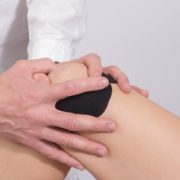
Knee pain has an annoying way of sneaking into everyday life. At first, it might just feel a little stiff when you stand up from a chair. Then you start noticing it when walking down stairs or getting in and out of the car. Before long, you realize you’re avoiding things you used to enjoy – long walks, hiking, exercise classes, or even playing with your kids or grandkids.

For many adults over 40 in the Seacoast area, knee pain becomes something they simply learn to live with. And when they finally decide to seek help, they are often given a familiar set of options: rest, pain medication, cortisone injections, or eventually surgery.

Sometimes the advice is even worse.

A woman I recently spoke with was told: “Just look it up online – there are exercises you can do on your own for this.”

Yes – I was horrified.

But here’s what many people in and around Portsmouth don’t realize: most knee pain is far more treatable than people think, and in many cases it can improve naturally. That means you may not need medication, injections, or invasive procedures.

But first, you have to understand what is actually causing your pain.


Most Knee Pain Isn’t What You Think

When people experience persistent knee pain, the first instinct is often to look for structural damage. X-rays and MRIs frequently reveal things like arthritis, meniscus tears, or cartilage degeneration.

Those findings can sound alarming.

But research has consistently shown something surprising – many people with these exact findings have no knee pain at all.

In fact, studies have found that more than half of adults over 50 show signs of meniscus tears or arthritis on imaging even when their knees feel perfectly fine.

This tells us something important.

What shows up on imaging is not always the true cause of pain.

In many cases – nearly 80 percent – knee pain is actually mechanical. This means it is related to how the body moves and distributes force through the joints rather than damage to the structures themselves.

Small issues in movement patterns, muscle strength, flexibility, or joint mobility can place excessive stress on the knee. Over time, that stress leads to irritation, inflammation, and pain.

The encouraging part is that mechanical knee pain is highly treatable once it is identified.


Why Quick Fixes Often Fall Short

Because knee pain can be frustrating and limiting, many people look for fast relief.

Cortisone injections are one of the most common treatments recommended for knee pain. They work by reducing inflammation in the joint, which can temporarily decrease pain.

But cortisone injections come with an important limitation – they do not address the root cause of the problem.

Instead, they simply quiet the symptoms.

This can create a situation where the underlying issue continues to worsen while the pain is temporarily masked. Some people then end up receiving repeated injections over time and eventually undergo total knee replacement due to progressive joint damage.

Research has also shown that repeated cortisone injections may accelerate joint deterioration and contribute to cartilage breakdown over time.

Even more important, cortisone suppresses the body’s natural inflammatory response, which plays a critical role in tissue repair and healing.

In other words, cortisone shots may reduce symptoms in the short term, but they can interfere with your body’s ability to truly recover.


What Actually Helps Knee Pain Heal

The good news is that the body is remarkably capable of healing and adapting when given the right environment.

Instead of masking pain, the goal should be to restore proper movement and support the tissues around the knee so they can function the way they were designed to.

Strengthening the Muscles That Support the Knee

Your knee does not operate in isolation. The muscles of your hips, glutes, and core play a major role in controlling how force moves through your leg.

When these muscles are weak or poorly coordinated, the knee often ends up absorbing more stress than it should.

Strengthening these supporting muscles can significantly reduce pressure on the knee joint and improve stability during walking, climbing stairs, and exercise.

Improving Mobility and Flexibility

Mobility is equally important for healthy knees.

Tight muscles and stiff joints can change the way your body moves. When the hips, hamstrings, or quadriceps lack flexibility, the knee often compensates by taking on additional strain.

Improving mobility throughout the lower body helps distribute forces more evenly and allows the knee to move more efficiently.

Continuing to Move

One of the biggest misconceptions about knee pain is that rest is the best solution.

In reality, too much rest often makes knee pain worse.

Movement helps circulate nutrients through the joint, lubricate cartilage, and maintain strength in surrounding muscles. Low-impact activities such as walking, cycling, swimming, and Pilates can help support joint health without overloading the knee.

Treatments That Support Natural Healing

In some cases, additional treatments can stimulate the body’s natural healing response.

Technologies such as regenerative shockwave therapy and electromagnetic transduction therapy (EMTT) are designed to increase blood flow, stimulate cellular repair, and reduce inflammation without medications or injections.

These treatments work with the body’s natural healing processes rather than suppressing them.


A Different Way to Think About Knee Pain

One of the most important mindset shifts people can make is moving away from the idea that knee pain is simply the result of “wear and tear” that must inevitably worsen with age.

Our bodies are far more adaptable than that.

With the right combination of movement, strength, mobility, and professional guidance, many people can reduce pain, restore function, and return to the activities they love without injections, medications, or surgery.

The knee is a remarkably resilient joint when it is supported properly.

And for many people, the path back to healthy knees begins with restoring the way the body moves.


Dr. Carrie Jose is a Physical Therapy Specialist and Mechanical Knee Pain expert and owner of CJ Physical Therapy & Pilates. She helps active adults across the Seacoast stay mobile, avoid unnecessary surgery, and get back to the activities they love.

For a free copy of her Guide to Knee Pain or information about an upcoming Knee Pain Masterclass, visit cjphysicaltherapy.com or call 603-380-7902.


Before You Consider Knee Surgery: Read This

Before You Consider Knee Surgery – Read This

Arthroscopic knee surgery is one of the most commonly performed orthopedic procedures in the United States, and total knee replacement isn’t far behind. Both procedures are frequently recommended for people suffering from knee pain, especially when imaging shows arthritis, meniscus tears, or other degenerative changes inside the joint.

But here’s what many people don’t realize – the presence of those findings doesn’t automatically mean surgery is necessary. In fact, research over the past two decades has repeatedly shown that many knee surgeries are performed on people who could have improved with conservative treatment like physical therapy and movement-based care.

For people dealing with chronic knee pain in Portsmouth, NH and throughout the Seacoast, understanding your options before committing to surgery is critical.

The Truth About Arthroscopic Knee Surgery

Let’s start with arthroscopic knee surgery.

Arthroscopy is considered minimally invasive. A small camera is inserted into the joint and the surgeon may trim damaged meniscus tissue or “clean up” arthritic debris. Because the incisions are small and recovery is relatively quick, it’s often presented as a simple solution for knee pain.

But research tells a more complicated story.

A landmark study published in the New England Journal of Medicine by Dr. JB Moseley and colleagues compared arthroscopic surgery to placebo surgery in patients with advanced knee arthritis. Some patients received the full procedure – while others only received small incisions without any surgical repair.

The results were surprising. Patients who received the placebo surgery improved just as much as those who had the real operation.

Since that study, numerous others have confirmed similar findings, suggesting that for many cases of degenerative knee pain and arthritis, arthroscopic surgery provides little additional benefit over conservative care like targeted physical therapy, strengthening, and mobility work.

That doesn’t mean arthroscopic surgery never helps. It simply means it’s often used in situations where other treatments could be just as effective.

In some cases, undergoing surgery when it isn’t truly necessary can even accelerate problems inside the knee joint – increasing your likelihood of needing a total knee replacement later on. Ironically, many people choose arthroscopic surgery in hopes of avoiding that major procedure down the road.

When Is Total Knee Replacement Necessary?

Which brings us to total knee replacement surgery – another procedure that has become increasingly common and, in many cases, more avoidable than you might think.

Unlike arthroscopy, knee replacement is a major operation. The damaged joint surfaces are removed and replaced with artificial components designed to restore function and reduce pain.

When performed on the right candidate, knee replacement can be very successful. About 90 percent of patients experience significant improvement, and many implants last 20 years or longer.

However, that doesn’t mean everyone with knee arthritis or chronic knee pain needs one.

Why MRI and X-Ray Findings Can Be Misleading

One of the biggest misconceptions about knee pain is that arthritis on an X-ray automatically explains the symptoms.

What’s not a misconception, however, is that joint degeneration is incredibly common as we age.

Studies show that only about 15 percent of people with evidence of knee osteoarthritis actually experience symptoms. The other 85 percent walk around completely pain free despite having the same findings on imaging.

MRI studies reveal similar patterns.

In one well-known study published in 2012, researchers performed MRI scans on more than 500 people who had no knee pain at all. Seventy-two percent showed signs of arthritis and roughly one quarter had meniscus tears.

In other words – structural changes inside the knee are far more normal than most people realize.

This is why basing a treatment decision solely on imaging can be misleading.

Sometimes Knee Pain Isn’t Actually Coming From the Knee

Over my two decades of treating patients with knee pain, the biggest problems I’ve seen after surgery rarely had anything to do with the procedure itself.

Instead, the issue was an incorrect diagnosis before surgery.

Sometimes the knee wasn’t actually the primary source of pain.

Knee pain can originate from the hip, ankle, or even the lower back. Research has shown that a surprising percentage of people with isolated knee pain actually respond to treatment directed at their spine.

That means someone could have arthritis in their knee and still have their symptoms driven by a problem elsewhere.

If that underlying cause isn’t identified first – surgery may be unnecessary, and it certainly won’t solve your problem.

3 Things to Consider Before Knee Surgery

Before considering any type of knee surgery – whether arthroscopic or a full replacement – there are several important things to evaluate.

1. The severity of your pain

If your discomfort is manageable and you can still participate in most of the activities you enjoy, rushing into surgery may not make sense.

Even successful knee replacements involve risks such as infection, blood clots, or complications related to anesthesia. Full recovery can take six to twelve months.

2. Whether your spine could be involved

If your knee pain fluctuates, appears suddenly, or occurs alongside back discomfort, it is worth having your spine evaluated by someone trained in diagnosing mechanical pain patterns.

In many cases, addressing the spinal issue resolves the knee pain without any treatment directed at the knee itself.

3. How stiff your knee actually is

With truly advanced arthritis, stiffness tends to be constant and progressive.

But if your knee mobility improves with movement, stretching, or specific exercises, the limitation may be mechanical rather than structural.

When that happens, restoring the right movement patterns can dramatically improve symptoms without surgery.

The Bottom Line: Surgery Should Be a Last Resort

To be clear – knee surgery is not always avoidable. For some patients, particularly those with severe arthritis and significant functional limitations, knee replacement can be life changing.

But surgery should almost always be considered a last resort, not the first step.

Before going down that road, it’s essential to make sure your knee pain has been accurately diagnosed and that you have explored all appropriate conservative treatment options.

Arthroscopic surgery and knee replacement may be among the most commonly performed orthopedic procedures in the country, but that does not mean they are always the right solution.

In many cases, the right diagnosis and treatment approach can restore knee function and eliminate pain without ever needing surgery.

Knee Pain Treatment in Portsmouth, NH

Dr. Carrie Jose is a Physical Therapy Specialist and Mechanical Knee Pain expert. She is the owner of CJ Physical Therapy & Pilates in Portsmouth, NH, where she helps people across the Seacoast of New Hampshire overcome chronic knee pain and avoid unnecessary surgery through specialized movement-based treatment.

She also hosts educational workshops and classes for people struggling with knee arthritis, meniscus injuries, and persistent knee pain.

To get a free copy of her Guide to Knee Pain or learn about the next Knee Pain Masterclass in Portsmouth, visit cjphysicaltherapy.com or call 603-380-7902.

Ski Season Isn’t Over Yet: How to Keep Your Knees Strong and Stable on the Slopes

Ski Season in New Hampshire Isn’t Over: How to Prevent Knee Pain on the Slopes

Ski season in New Hampshire isn’t over yet – and if your knees are already starting to “talk” to you after a day on the mountain, it’s time to pay attention.

Whether you’re skiing in the White Mountains or making weekend trips north from Portsmouth, NH, your knees take on significant stress with every turn, carve, and correction on uneven terrain.

Skiing is one of the most knee-intensive recreational sports. Add speed, rotation, moguls, and the occasional fall – and your knee joint works overtime.

The good news?

Most ski-related knee pain is mechanical. And mechanical knee pain is often predictable – and preventable.

At our Portsmouth, NH physical therapy clinic, we help active adults stay strong on the slopes by focusing on two essentials: mobility and stability.


Why Knee Pain Happens While Skiing

Your knees need two key things to stay healthy during ski season:

Mobility – the ability to fully bend and straighten to absorb force
Stability – the ability to control rotation and handle load without collapsing inward

When one (or both) is missing, your knee becomes vulnerable to irritation, swelling, or injury.

If you’re experiencing knee pain after skiing in New Hampshire, one of these factors is likely contributing.


1. Don’t Skip Your Warm-Up Before Hitting the Slopes

If you’ve driven an hour or more from Portsmouth to the mountains, your knees have likely been compressed in a bent position the entire time.

Prolonged sitting increases stiffness and pressure in the front of the knee – especially for adults over 40.

Then what happens?

You step out of the car, click into your skis, and immediately head downhill.

That’s a massive transition for your joints.

Instead, spend 5-10 minutes warming up your knees, hips, and ankles before your first run:

  • Bodyweight squats
  • Controlled lunges
  • Gentle hip mobility drills
  • Ankle mobility work

Your first run should never be your warm-up. Preparing your joints ahead of time improves blood flow, activation, and control – all of which help your knees better tolerate the demands of the day.


2. Build Strength Where Your Knee Needs Support

Your knee does not function in isolation. It relies heavily on the muscles above and below it for protection and control.

Strong quadriceps and hamstrings provide balanced stability to the joint, while strong glutes and a stable core help maintain proper alignment, manage rotation, and prevent the knee from collapsing inward.

When these muscles are weak or not functioning well – your knees are forced to absorb stress they were never meant to handle on their own.

If you want to ski confidently into your 50s, 60s, and beyond, lower body and core strength training are not optional – they are foundational.

Strong, well-coordinated muscles reduce unnecessary strain on your joints and improve both performance and longevity on the slopes.


3. Maintain Full Knee Mobility

Mobility is just as important as strength.

Your knees must be able to fully bend and fully straighten in order to function properly. Any loss of extension or flexion – even minor – compromises the surrounding ligaments and joint structures, forcing them to work harder than they were designed to.

These subtle mobility restrictions become even more apparent under the higher demands of skiing.

If your knee already feels stiff during everyday activities – it will not magically improve once you are on the mountain. In fact, the added stress often exposes underlying limitations.

A consistent mobility routine – particularly one that restores full knee extension – can significantly reduce strain and allow your knee to adapt more effectively to the dynamic demands of skiing.


4. Address Mechanical Knee Pain Early

Approximately 80 percent of knee pain is mechanical in nature, meaning it is driven by how the joint is moving – or not moving – rather than simply wear and tear.

The good news is that mechanical pain responds extremely well to specific corrective movements designed to address the root cause of the problem.

Once the correct movement is identified – it can act like medicine for your knee. Completely natural and highly effective.

The right prescriptive movement will reduce pain quickly, improve motion, and restore confidence in your knee again. It also gives you a tool you can use on your own – so you don’t have to rely on anti-inflammatory medications just to get through the rest of ski season.

If your knee swells after skiing, catches with certain movements, or flares up after a long day on the mountain – it may very well be the result of a mechanical dysfunction.

Small mechanical issues rarely remain small when repetitive stress – like skiing – continues. Addressing them early can prevent more significant problems down the line.

For this, it is important to consult with a specialist trained in mechanical knee pain. Identifying the correct prescriptive movement is key. When done properly – it is the difference between managing symptoms and truly correcting the underlying issue.


Finish Ski Season Strong in Portsmouth, NH

Skiing should feel powerful and controlled – not unstable or uncertain.

Most injuries do not occur because people are too active. They occur because the joint was underprepared for the demand placed upon it.

If you are experiencing knee pain after skiing and live in Portsmouth, NH or the Seacoast area, the specialists at CJ Physical Therapy & Pilates can help.

Led by Dr. Carrie Jose, our team specializes in mechanical knee pain treatment and helping active adults return to skiing with confidence – without relying on injections or surgery.

To request a Free Discovery Visit or receive a free copy of our guide to managing knee pain, visit cjphysicaltherapy.com or call 603-380-7902.

Ski season isn’t over yet. There is still time to protect your knees, ski strong, and finish the season with confidence.

Why Those “Little Tweaks” After Shoveling Snow Matter More Than You Think

If you live in New England, you already know — this winter has arrived with a vengeance.

After several mild seasons, we’re finally seeing the kind of snowstorms that turn everyday homeowners into part-time weightlifters overnight.

Shovels come out. Snowblowers get dragged from garages. Driveways, walkways, decks, cars, and mailboxes all need to be cleared — often quickly and in freezing temperatures.

In other words, snow removal involves a lot of lifting, twisting, pushing, and pulling, usually performed by people who haven’t done anything remotely similar in months.

So if your back feels tight, your neck is stiff, or your shoulders are aching after shoveling snow — you’re not alone. What matters most is what you do next.

Too often, people brush these symptoms off as “just soreness” or a minor tweak that will go away on its own. Maybe you take a few Advil and keep moving.

That might work short-term. But as I often remind patients at our Portsmouth, NH physical therapy clinic, the absence of pain does not mean the absence of a problem — especially when symptoms return every time you shovel, lift, or twist.

Minor stiffness or recurring tightness is often an early warning sign of a deeper mechanical issue. Over time, pain relievers stop working — or you find yourself needing them more often just to get through daily activities.


Why Clearing Snow Is a Perfect Storm for Injury

Snow shoveling injuries are incredibly common throughout New Hampshire, Maine, and Massachusetts, and for good reason.

Shoveling combines:

  • Repetitive bending and spinal rotation
  • Forward or overhead lifting
  • Sudden force production
  • Uneven, slippery footing

Snowblowers create their own challenges, including:

  • Sustained pushing through heavy snow
  • Resisting torque when the machine catches
  • Repeated twisting to adjust the chute
  • Forceful pulling to start or reposition the blower

Add cold temperatures, heavy wet snow, and muscles that aren’t warmed up, and you have a perfect setup for injury.

After every major storm here on the Seacoast, our phones start ringing. We see:

  • Low back strains and disc irritation
  • Neck stiffness and pain
  • Shoulder injuries — especially rotator cuff flare-ups
  • Knee and spine arthritis flare-ups triggered by sudden load

What makes these injuries tricky is that they don’t always show up immediately. Often it starts as:

  • A dull ache
  • A pinch when turning your head
  • A shoulder that feels “off” when reaching

These are exactly the signs people tend to ignore — until the problem escalates.


Why “Pushing Through It” Can Backfire

One of the biggest misconceptions about musculoskeletal pain is that it has to be severe to be serious.

In reality, many long-term injuries start as small mechanical problems that were never addressed.

When you irritate a joint, disc, tendon, or nerve while shoveling snow, your body compensates. Movement patterns subtly change. Muscles tighten to protect the area.

If that irritation doesn’t resolve properly, those compensations stick around — placing stress on tissues that weren’t designed to handle it. This is how a minor tweak turns into weeks or months of pain, even after winter ends.


The Problem With Masking Pain

When pain lingers, many people look for the fastest way to quiet it:

  • Anti-inflammatory medications
  • Muscle relaxers
  • Cortisone injections

While these options may temporarily reduce symptoms, they don’t promote healing.

Pain is information. It’s your body telling you something isn’t moving or loading properly. When you silence that message without addressing the cause, you’re more likely to repeat the same patterns — and delay true recovery.


Don’t Wait It Out — Why Early Action Matters

The good news? Most snow-related injuries respond extremely well to early, conservative care.

When addressed early:

  • Recovery is faster
  • Treatment is simpler
  • Long-term problems are often avoided

The key is identifying what’s actually driving the pain — not just where it hurts.

Is the pain coming from the spine or the shoulder joint? Is a nerve involved? Is inflammation primary, or secondary to poor movement and overload?

At our Portsmouth, NH physical therapy and regenerative medicine clinic, we rely on repeated movement testing and test-retest methods to determine what’s truly contributing to symptoms — not just imaging findings.

Once the root cause is clear, treatment can focus on restoring movement, improving load tolerance, and supporting the body’s natural healing process.

Non-invasive options like shockwave therapy, EMTT, targeted manual therapy, and prescriptive movement work together to reduce inflammation, improve blood flow, and promote tissue healing — without masking symptoms.


Listening to Your Body Pays Off

New England winters aren’t going anywhere. Neither is snow shoveling.

If your back, neck, or shoulders still hurt days after clearing snow, that’s worth paying attention to. Pain that lingers, worsens, or changes how you move is not something to ignore.

Seeking help early doesn’t mean you’re overreacting — it means you’re being proactive.

Your body is talking to you.
The smartest move is listening now — before it starts yelling.


Dr. Carrie Jose, Physical Therapy Specialist and Regenerative Therapy Expert, owns CJ Physical Therapy & Pilates in Portsmouth, NH and writes for Seacoast Media Group. To get in touch or request a free discovery visit with a physical therapy specialist visit cjphysicaltherapy.com or call 603-380-7902.
Why New Year’s Fitness Goals Backfire — And How to Protect Your Back

Why New Year’s Fitness Goals Backfire — And How to Protect Your Back

Every January, it happens like clockwork.

Gyms fill up. Fitness challenges kick off. People recommit to moving more, getting stronger, and finally prioritizing their health. And honestly — that motivation is a great thing.

But then February and March arrive… and we start seeing a different pattern here at our physical therapy clinic in Portsmouth, NH.

Back pain flares up. Old injuries resurface. New aches suddenly derail workout routines. And many people quietly decide they’re “too old,” or that certain exercises “just aren’t for them.”

In reality, the issue usually isn’t motivation or effort. More often, unresolved or low-grade back pain quietly follows people into their New Year’s fitness routines — and when increased intensity, load, or frequency is layered on top of poor movement patterns, even the best intentions can backfire.

If your goal this year is to stay active and pain-free, the solution may not be doing more — but doing things smarter.


Why January Is a High-Risk Month for Back Injuries

January is one of the highest-risk months of the year for back injuries — and that’s no coincidence.

Back pain rarely appears out of nowhere, even when it feels sudden. In most cases, it develops gradually over months or even years due to prolonged sitting, repetitive bending or twisting, and subtle compensations the body makes without you realizing it.

The holiday season often magnifies these stressors:

  • Long car rides and travel
  • More time sitting on soft couches
  • Disrupted routines and less daily movement

By the time January arrives, many people are already showing early warning signs of a brewing back pain episode — stiffness, mild aches, or irritation.

Then comes the abrupt shift:
New workouts. Heavier lifting. High-intensity classes. Aggressive stretching. Movements the body hasn’t been prepared to tolerate.

This combination is why so many people start the year strong — only to find themselves sidelined weeks later with back pain or sciatica.


Exercise Is Medicine — But Only When the Dose Is Right

Exercise is one of the most powerful tools we have for preventing and resolving back pain — when the dose is appropriate.

When your back is healthy, general exercise and strength training can be excellent preventive tools. But when back pain is already present, a more specific and individualized approach is often needed.

Roughly 80% of back pain is mechanical in nature, meaning it comes from how your body moves, sits, bends, lifts, and responds to load — not simply from structural issues like arthritis or disc degeneration. In fact, research consistently shows that many people with disc bulges or degeneration have no pain at all.

When faulty movement patterns and underlying spine mechanics aren’t addressed first, working harder in the gym can unintentionally amplify the habits that caused the problem in the first place. This is a major reason New Year’s fitness routines fail — despite great intentions.


How to Pursue Fitness Goals in a Back-Friendly Way

The good news? You don’t have to choose between staying active and protecting your back.

A few simple strategies can dramatically reduce injury risk while supporting long-term fitness.

1. Reduce Prolonged Sitting

Sitting increases compressive forces on the spine by up to 40%. Spending most of the day seated and then jumping into intense workouts puts your back at a disadvantage before exercise even begins.

Breaking up sitting time every 30 minutes with brief movement or posture changes gives your spine a break and creates a healthier foundation for exercise.

2. Don’t Underestimate Walking

Walking restores natural spinal movement, improves circulation, and reduces hip stiffness — a common contributor to back pain.

Aiming for 6,000–7,000 steps per day (about 45–60 minutes spread throughout the day) supports spinal health, joint mobility, and cardiovascular fitness without overwhelming your system. If walking consistently worsens your back pain, that’s a sign to seek expert guidance — not to stop moving altogether.

3. Focus on Postural Variety, Not “Perfect Posture”

No posture is healthy if it’s held too long. The spine thrives on movement and variability.

Rather than chasing perfect posture, focus on changing positions often while maintaining general postural awareness.

4. Strengthen Your Core — Intelligently

Core strength is important, but it’s not always the fix for back pain people expect. Because back pain is often sensitive to position and load, generalized core exercises can sometimes make symptoms worse.

Targeted, well-coached strength training and functional movements — guided by a back-aware professional — help build stability at the right time and in the right way.

5. Don’t Wait for Back Pain to “Go Away”

Mechanical back pain rarely resolves with time alone. It adapts, compensates, and quietly becomes limiting.

The absence of pain doesn’t always mean the absence of a problem. Understanding why your back hurts — and which movements help or worsen symptoms — is far more effective than relying on short-term fixes.


Work Smarter, Not Harder This Year

A successful New Year’s fitness plan isn’t defined by how hard you push in January.

It’s defined by how consistently you can move throughout the year — and whether you can keep doing the activities you love without setbacks.

With the right approach, movement becomes the solution — not the reason you’re sidelined.


Dr. Carrie Jose, Physical Therapy Specialist and Mechanical Pain Expert, owns CJ Physical Therapy & Pilates in Portsmouth, NH, and writes for the Seacoast Media Group.

To get in touch — or request a free discovery visit with one of our specialists — visit our website or call 603-380-7902.