Are Flip flops Aggravating Your Plantar Fasciitis?

Now that summer is here – it’s flip flop and sandal season for many. Unfortunately, this also typically results in a rise in foot pain and plantar fasciitis cases. One of my readers recently wrote to me and asked about this.

Here’s what Jennifer wanted to know:

“Now that I’m wearing flip flops again, I noticed that my plantar fasciitis is acting up. Is there anything I can do? Do I need to stop wearing flip flops?”

This is a great question Jennifer. In order to answer your question, let’s look at a few reasons why plantar fasciitis occurs in the first place. Ideally, if you can stay on top of your plantar fasciitis and/or prevent it all together, flip flops won’t even be an issue.

First – what is plantar fasciitis? 

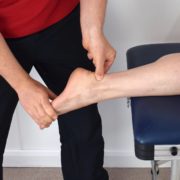
It’s inflammation of your plantar fascia – the tissue that makes up the arch (bottom) of your foot. Your plantar fascial runs from the base of your heel, down the length of your foot, and into your toes. It’s responsible for both the mobility and stability of your foot so that you can propel yourself during walking and running. When you land on your foot your arch falls or flattens – this is called pronation. The response to this action is that your foot then stiffens or supinates – this is where your foot gets the power to push off. If any part of this mechanism is not functioning properly, your plantar fascia can become stressed and overworked – leading to inflammation/plantar fasciitis.

What causes your plantar fascia to become overworked?

Basically anything that impacts or disrupts the natural mechanics of your foot to pronate and supinate. Most commonly, poor mobility in either your ankle or 1st toe is the culprit – but even tight hips and weak glutes can cause problems all the way down to your foot. Anything that impacts the way your foot hits the ground has an opportunity to influence the level of force and energy transmitted through your foot and arch when you walk, which in turn impacts the natural pronation/supination mechanism. When disrupted, your plantar fascia will attempt to compensate for the pronation/supination mechanism. If this continues to happen, your plantar fascia eventually becomes angry and irritated – resulting in plantar fasciitis. 

Flip flops, or any other shoe for that matter, can either “protect” your arch, or cause it to overwork. Technically speaking, if your foot mechanics are sound and the arch of your foot is strong and mobile, footwear should have a negligible impact on your plantar fascia. Sadly, this is rarely the case for many people. Because of how much we sit, and how little we walk around barefoot, the bottoms of our feet are simply not as conditioned as they could be. This is really the problem – not so much what you put on your feet. If you’re accustomed to wearing supportive and cushioned shoes all the time, and then suddenly switch to flatter, less supportive flip flops in the summer, it’s going to be a shock to your foot. And if you’re prone to plantar fasciitis, it’s going to flare up during flip flop season.

The best thing you can do to prevent and treat plantar fasciitis is to not neglect your feet.

Performing consistent mobility exercises for your toes and ankles is key, as well as conditioning for the strength and stability of your arch. Balance exercises, toe exercises, and plyometric (jumping) exercises are all important, as well as making it a point to walk around without shoes as often as you can. If you’ve already got an ongoing problem with your foot, then I wouldn’t recommend haphazardly incorporating these exercises into your routine without guidance. Talk to an expert who can help you. Plantar fasciitis, when addressed correctly, is very treatable, and you could be back to enjoying flip flops in no time.

Are you local to Portsmouth, NH and looking for help with foot pan?

CLICK HERE to request a discovery call with our Client Success Team to see if we would be a good fit for you!

Dr. Carrie Jose, Physical Therapist and Pilates expert, owns CJ Physical Therapy & Pilates in Portsmouth and writes for Seacoast Media Group. To get in touch, or request a free copy of one of her guides to back, neck, knee, or shoulder pain, email her at [email protected].

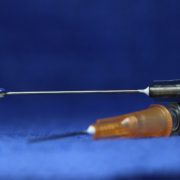
Why your Cortisone Injection Failed You

Why your Cortisone Injection Failed You

When you have joint pain that won’t go away, especially after trying lots of physical therapy, your doctor might recommend you get a cortisone shot.

Cortisone shots are often prescribed for things like back pain, bursitis, bulging discs, cartilage tears, osteoarthritis, tendonitis, and many other conditions that are perceived to be inflammatory in nature. While every single one of these conditions can cause things to be inflamed, it doesn’t mean that inflammation is your underlying problem. If something else is causing any of these structures to get irritated and inflamed, then your cortisone injection won’t work. At the very best it will provide you temporary relief, but the problem will ultimately come back in about 6-12 months time.

Cortisone shots also come with many potential problems and side effects. So you really want to be sure that it’s necessary before you get one.

The list includes problems such as: cartilage damage, death of nearby bone, joint infection, nerve damage, temporary facial flushing, temporary flare of pain and inflammation in the joint, temporary increase in blood sugar, tendon weakening or rupture, thinning of nearby bone (osteoporosis), thinning of skin and soft tissue around the injection site, and whitening or lightening of the skin around the injection site. And none of these side effects account for human error with the procedure. If your doctor is “off” with his/her injection – you could end up with unnecessary tissue trauma and pain because your shot wasn’t injected correctly.

So when it comes to cortisone shots, you really want to make sure that 1) the root source of your problem is inflammation and 2) you actually need one.

The reason why so many cortisone injections “fail” is because quite often – they weren’t needed in the first place. Even though the actual pain you are experiencing might be due to inflammation, the underlying cause leading to the inflammation could be something else entirely. Cortisone shots are used to address inflammation. But 80% of the time the musculoskeletal pain you’re experiencing is due to a mechanical or movement problem. So while the symptoms you’re experiencing could be due to inflammation, the root cause of your issue could be due to something else. In this case, the cortisone shot will not help – or worse – provide you with temporary relief that leads you to think it did.

Let me explain with a bit of scientific research.

Studies show that 70-80% of people over the age of 50 have a bulging disc on their MRI. 60% have a meniscus tear in their knee. These findings are considered normal as you age. The research also says that not all of these people experience pain. So you can have two people with the exact same MRI findings and one person will be perfectly fine while the other can barely walk. This is how we know that “the finding” (a bulging disc or meniscus tear for example) isn’t necessarily the problem.

The source of the problem is what is causing that bulge or tear to get annoyed.

About 80% of the time it’s going to be something like a faulty movement pattern or “mechanical issue,” such as poor mobility or stability, leading to some compensatory movement strategies in your body. When you don’t move well, structures like normally occurring disc bulges and meniscus tears can get irritated.

For example, let’s say you have a bulging disc in your back. If you sit for most of the day, travel a lot for work, or have a job that involves a lot of repetitive lifting, these types of activities are known to really aggravate a bulging disc. If all you do is inject cortisone to calm down the irritation, you won’t be fixing the real problem… which in this case is your daily movement habits. After about 6 months of returning to all these activities again, the pain WILL come back.

The good news is that there are ways to solve this type of problem (and others) naturally, and without a cortisone injection. But the important thing for you to realize here is that if you did get a cortisone shot recently and it appears to have “failed,” the last thing you want to do is get another one or resort to an even more invasive procedure. It’s possible you didn’t need it in the first place, so you want to make sure that is uncovered first.

So, if you’ve recently had a cortisone shot and it didn’t work, it could very well be that you never actually needed it… or that the wrong problem (inflammation) was being addressed instead of the underlying cause.

If you are considering something like a cortisone shot, it’s always a good idea to get a second opinion to make certain you really need it and that it’s the best course of action for your problem. And if you’ve already had one and it didn’t work, don’t worry, odds are good that there is still a solution out there for you… and it doesn’t have to involve more procedures.

It could be as simple as learning how to move better!

Sign up for a FREE Discovery Session today to speak with my client success team to see if we can help you avoid quick fixes like cortisone shots and get long lasting results. 

Carrie Jose, Physical Therapist and Pilates expert, owns CJ Physical Therapy & Pilates in Portsmouth, NH.  To get a free copy of her guide to taking care of back pain – click here.

Tendonitis versus Tendinosis: The Big Difference and Why it Matters

Tendonitis is a term you’re likely familiar with. You’ve probably even suffered from it at some point in your life. It’s an acute, short-term, inflammatory condition typically caused by repetitive overuse of your tendon. Tendinosis, on the other hand, is a chronic, degenerative condition of your tendon. It involves deterioration of collagen, a structural protein in your tendon.  While the two conditions sound very similar, and are often used interchangeably, they couldn’t be more different. And the treatment for each condition should be different too.

Tendons are tight but flexible bands of fibrous tissue that connect your muscle to bone.


Without tendons, your muscles would be useless. Tendons are extremely organized, and the fibers are designed in a way to withstand and transmit high forces of tension so your muscle can function properly. 

With tendonitis, your tendon becomes inflamed and irritated, typically due to repetitive overuse.


Tendonitis causes pain when you try to move. The most common areas for tendonitis to occur are your elbows, rotator cuff (shoulder), patella (knee), and Achilles tendon (ankle). Tendonitis is an acute condition, and the best treatment is to rest, apply ice, and sometimes take anti-inflammatories to control pain. From there, you want to figure out what caused the tendonitis to occur in the first place and address that. Typically, it’s due to some sort of mismatch between muscle strength and the activity you need to perform, leading your body to compensate and put unwanted stress on your tendon. Once you figure out and correct this pattern, it’s very easy to get rid of your tendonitis!

When you don’t manage tendonitis properly, and it goes on longer than a few months, it can result in tendinosis.


Tendinosis is a very different condition where the fibers in your tendon actually start to break down. An important thing to note is that tendinosis no longer involves inflammation of your tendon. So using ice every day, resting it, and taking anti-inflammatories will not help you. I can’t tell you how many times I’ve spoken to people still doing this 6-8 months after an unresolved tendonitis issue. Second, since tendinosis involves disorganization and degeneration of the fibers that make up your tendon, you have to “re-organize” those fibers in order to resolve tendinosis and get your tendon functioning properly again. 

Passive treatments like ice, rest, and medicine will not help tendinosis.


They might help to relieve any pain you’re having from overdoing it or undertreating it — but the tendinosis will continue to progress. Unresolved tendinosis leads to progressive weakening of your tendon over time, making it easily susceptible to full blown tears. This is how so many folks tear their Achilles tendon or rotator cuff, for example, “out of nowhere.” Once I speak with them, they often report that over the years they had recurring bouts of tendonitis in that area. In other words, their tendonitis wasn’t managed properly and it led to chronic tendinosis, making them an easy target for a torn tendon.

So how do you treat tendinosis and prevent more serious problems from happening down the line?


You have to re-organize those fibers so your tendon can work properly again! Sounds easy, right? Well technically it is, but the biggest problem is that this process takes time, up to 9 months in many cases. And most patients I come across simply don’t have the patience for this… or they simply aren’t told. The other issue is that if you’re expecting an insurance company to cover your treatment, they typically don’t want you in physical therapy for more than 6-12 weeks at a time. This is not long enough to properly treat tendinosis.

The only way to re-organize those tendons is to put stress on them.


You have to put just the right amount of stress to cause a little bit of pain, but not so much that your tendon gets inflamed again.  This is literally the one time where “no pain no gain” is actually true. A properly trained physical therapist who is well-versed in tendinosis will know how to do this. You basically have to retrain the fibers to withstand force again – and this process takes time.  The good news, however, is that if you rehab your tendinosis properly, you can get back to all the activities you love as if nothing ever happened!

If you’re confused after reading this, don’t worry – so is half the medical community. The take home points to remember are that tendonitis involves pain and inflammation, there is no damage to your tendon, and it only lasts about 4-6 weeks. Treatment for this should involve passive modalities like ice and rest, and the focus should be on what caused your tendon to get irritated in the first place. 

But if problems in your tendon have gone on longer than 3 months, you must suspect tendinosis, which no longer involves inflammation but instead, a breakdown of your tendon. Passive treatments will NOT work and could actually prolong your problem – so stop icing and resting. Getting rid of tendinosis requires carefully prescribed loading strategies (aka strengthening) that will properly re-organize your tendon so that it can be strong again! This is extremely challenging to do on your own, so it’s a good idea to talk to an expert about this. You can even schedule a FREE Discovery Session with one of our experts today!


Are you overdoing it on “Vitamin I”?

A few weeks ago, I asked a new client what he had already tried for his back pain. He surprised me by replying with “Vitamin I.”

He could see I was puzzled, so he quickly clarified — Ibuprofen.

It’s the first I’d heard of this term, but is it NOT the first time I’ve heard of people taking Ibuprofen routinely or for prolonged periods. For some it’s because they are in pain already… but for others it’s to prevent pain when they are about to do something they know will hurt.

Ibuprofen is a type of NSAID (non-steroidal anti-inflammatory drug) that is commonly used to reduce inflammation and pain.

Some reasons you might take it are because you’ve had an acute injury such as a sprain or strain, to deal with headaches, because your arthritis flared up, or because you need to bring a fever down.

When you absolutely can’t get control over pain or inflammation naturally (such as with ice, rest, or therapeutic movement) taking Ibuprofen can be helpful.

But when you’re taking it on a regular basis to control and manage pain, or if you find you’re always taking it before certain types of exercise or activity just so you can prevent pain… it’s something to be concerned about.

Long-term use of Ibuprofen has its consequences. Plus, being in pain all the time, or experiencing pain every time you exercise or do a certain activity, is not normal and you should get it checked out.

So what are the consequences of too much “Vitamin I?”

The consequences are minimal if you’re just grabbing Advil every now and then to ease a headache or take the edge off of a particularly painful back pain episode. You’ll always want to check with your doctor or pharmacist first before taking any type of medication — even one like Ibuprofen that is easily accessible over the counter — but assuming you’ve been cleared, it’s rare that you’ll experience any harmful effects from the occasional dose of “Vitamin I.”

The problem is when you’re always reaching for that Advil.

At some point you want to consider what might be causing your pain to keep coming back.

Every time you resort to something like Ibuprofen as a way to control recurring pain, you’re only putting a bandaid on the problem. When it comes to musculoskeletal pain, such as back, knee, hip, shoulder pain or headaches…

Remember that 80% of the time it can be resolved with movement instead of medication.

So consider talking to one of our movement experts who can help you naturally resolve your pain and get you off that “Vitamin I” regimen.

Another common reason people resort to regular use of Ibuprofen is to prevent inflammation or muscle soreness before exercise or vigorous activity. This has become especially common with athletes and weekend warriors.

This is never a good idea.

Research has shown that taking “Vitamin I” ahead of exercise can actually hurt your performance and hinder your recovery. Not to mention the long-term health implications of using Ibuprofen in this manner!

In a study published my Medicine and Science in Sports and Exercise, researchers discovered that when distance runners took 600mg of Ibuprofen before an event, they ended up with more tissue-damaging oxidative stress afterwards compared to those who took nothing, thus debunking the theory that “Vitamin I” can help you avoid inflammation.

In this case it increased!

Another study done on cyclists found that Ibuprofen can damage your gut during exercise and lead to a leaky small intestine.

And finally, scientists have conducted animal research that shows taking “Vitamin I” as a prophylactic for muscle soreness actually hinders your recovery.

If you’re finding yourself constantly in pain or very sore after or during certain types of exercises and activities, you may want to look at how you’re warming up or preparing for these things.

If you have consistent problem areas such as back or knee pain, there are corrective exercises you can learn that will better prepare your joints for repetitive and strenuous activities.

In many cases, corrective movements can help you avoid pain entirely.

But at the very least, they’ll help to reduce any pain you do experience much faster, and you’ll recover more quickly.

And for tissue inflammation, there are great natural alternatives that are safe to consume before a particularly strenuous workout. Tea, tart cherry juice, and turmeric are all considered natural anti-inflammatories that are safe, and don’t come with the harmful side-effects of “Vitamin I.”

While I’m a huge advocate of avoiding pain medication whenever possible, there are times when taking Ibuprofen makes sense. But it should be occasional and minimal and you should always be checking in with your doctor to make sure it’s safe.

But even when your doctor says it’s ok to use right now, know that long-term use of Ibuprofen can damage your digestive system, interfere with your hormones, and increase your risk of heart attacks and stroke.

It’s always best to look for natural ways to ease pain first.

Movement is my favorite form of medicine.

If you want to find the movement that is YOUR medicine, so you can stop using “Vitamin I” as a bandaid…

Request a FREE Discovery Session with one of my specialists.

They’ll talk to you first to make sure you’re even a good fit for what we do… and if so… let you know how we can help!

Tips to Avoid Injury When You’re Over 50

Most of our clients are aged 50 or above, and staying as active as possible while they age is a big priority for them. As we get older, our bodies do need more care and maintenance to not only age well but avoid injury. 

Here are some of my top tips I like to give clients to help them stay active and mobile, avoid injuries, and continue doing everything they love.

1. Keep Moving

You’ll often hear me say: “You don’t get stiff because you get old, you get old because you get stiff.” If you want to stay healthy and mobile, you need to keep moving. One of the biggest concerns I hear from folks aged 50+ is whether they should start modifying what they do because of arthritis. Remember, arthritis is normal. It happens to everyone as they age, and it’s rarely a reason to stop doing your favorite activities. In fact, research has shown that activities like running, when done consistently and with proper form, can prevent knee arthritis! The effects of arthritis worsen when you don’t move, which is when I typically see people having problems. Common “injuries” like meniscal tears and bulging discs are more likely to occur in arthritic joints. But the more active you stay, the less likely you are to be impacted by ailments such as this — and the better your joints will feel.

2. Maintain a Healthy Diet

Both osteoporosis and heart health become bigger concerns as we age, and what you eat can have a direct and positive influence. With osteoporosis, your risk of injury, especially from a fall, becomes much greater. Greens like kale, spinach, and arugula are awesome for your bones, along with citrus fruits, fish, and nuts. These foods help your bones stay strong and durable. According to Health magazine, “The risk of a heart attack climbs for men after age 45 and for women after age 55.” As you enter middle-age, increasing the presence of foods like unsalted nuts, unprocessed oatmeal, raisins, blueberries, and even dark chocolate (over 70% cacao) can help keep your heart healthy. Before making any drastic changes to your diet, especially if you’ve got comorbidities such as diabetes or kidney disease, you’ll want to check with your doctor or dietician. But otherwise, paying attention to your diet can have a big impact on how healthy you keep your heart and bones.

3. Work on your Balance

Balance is one of the first things to go as a person gets older, and it’s one of the most crucial factors in helping you prevent falls and avoid injury. Slips and falls due to poor balance can lead to broken bones and fractures, which become more common and harder to recover from as you age. But if you’re intentional about improving your balance when you exercise, it’s not too late to improve it. While there are many great balance exercises you can do at home, I always recommend incorporating balance strategies with movement and activity. Because rarely do we fall when just standing still. Try standing on one leg when you brush your teeth, place one foot up on a stool when washing dishes, walk around on your toes and heels during commercials. These are really easy strategies to incorporate into your daily living. And of course, activities like walking regularly, Tai Chi, Yoga, and our favorite — Pilates — are also great to promote good balance.

4. Strengthen your core

Having a strong core is beneficial at any age, but especially as you get older. Strong abs, hips and buttocks (all part of your core) help you to sit and stand more upright, prevent back and neck pain, and will help you feel stronger and more confident in just about everything that you do. In our office, our favorite core-strengthening activity is Pilates. We especially love it for folks aged 50+ because it’s easy on your joints and it helps to promote flexibility at the same time. But what I love most about Pilates is that it teaches you how to strengthen your core properly and safely, two important things at any age, not just when you’re over 50. When you know how to properly engage and use your core, you start to incorporate it more into other exercises. Suddenly walking, running, Yoga, and lifting weights all become that much more effective, and you’re far less likely to get injured doing them.

5. Educate Yourself

Knowledge is power, and lack of it, is one of the biggest reasons I see people decreasing their activity levels when there is no reason to. People think that things like arthritis, bulging discs, or a torn meniscus are reasons to decrease or cease certain activities. But that’s not necessarily true! Most of the things I just mentioned are normal occurrences as we age, and having them show up on an x-ray or MRI is not a reason to change something you’ve been successfully doing for years. Plus, regular movement and exercise actually helps these problems. If you’ve got pain, that’s a different story. Talk to an expert who can help you figure out what’s going on, so that you can quickly get back to your activities and not make your pain worse. Whatever you do, try to avoid Dr. Google. It can send you down a rabbit hole and not all the advice you read will apply directly to you. 

Could your Knee Pain be Caused by your Lower Back?

Is your knee pain actually due to a problem in your knee – or could it be caused by your lower back?

One of the most important things to get right when it comes to successfully resolving knee pain is to correctly identify the source. And often times that source can be your lower back.

One of the biggest clues that you’ve missed the root source of your knee pain is that it doesn’t go away after trying everything that “should” help it. Perhaps you’ve tried ice, heat, pain medication, foam rolling, strengthening, and stretching… but no matter what, your knee pain just won’t seem to go away.  This is often when knee doctors start to get involved, which is great if you actually have a knee problem. Knee pain that doesn’t respond to conservative treatment should be looked at further. It’s possible that you might need some kind of procedure or surgical intervention.

But what if your knee pain is a symptom of something else?


If so, and you don’t get it properly checked, then you risk having unnecessary knee surgery. 

I just spoke to someone who this happened to. She had knee surgery to “clean out” some wear and tear from arthritis after trying several months of physical therapy. She was told it would be a “quick recovery” and that her pain would be significantly reduced. Well, three months later, her knee is feeling worse than pre-surgery. And to fix the NEW pain she has, they tell her she will need even more surgery! She came to us for a second opinion, and the very first thing we did was screen her lower back to see if it might be the cause of her knee pain. Turns out it was! This woman’s knee pain was never actually coming from her knee, and she ended up having unnecessary surgery because the root cause – her lower back – was missed. 

How does a misdiagnosis like this even happen?

One of the biggest culprits is imaging. If you’re over age 40, and you get an X-ray or MRI taken of your knees, there is a 60-80% chance they’ll find arthritis or meniscus (cartilage) tears. Studies have shown that arthritic changes and meniscus tears are a normal part of aging, so they will show up on your images even if you don’t have any knee pain. This is why you should never dictate your treatment plan, and certainly not surgery, based on an MRI or X-ray alone.

Here are a few clues to help you figure out if your knee pain could be coming from your back.


First, pay attention to how and when your knee pain started. If you’ve had a fall or some kind of trauma to your knee, and you experience knee pain or swelling shortly after, then odds are very good you have an isolated knee problem. With isolated knee injuries, you often know exactly when and how you hurt your knee. It may have been associated with a pop or specific strain of some kind. But if your knee pain comes on slowly or out of nowhere, then you must consider that the source of the problem could be elsewhere. 

Another clue is how your pain behaves. When your lower back is the source, often you’ll have difficulty pinpointing exactly where your knee pain is. It may feel dull or even numb. It might move around, or perhaps travel up or down your leg. One day your knee will feel great, and other days it could feel excruciating. When someone comes into our office with pain like this, we ALWAYS check their lower back first. Knee pain that moves around a lot, or that comes and goes frequently, can quite often be due to a back problem.

If you’ve been suffering from knee pain for awhile, it’s worth considering that the root source of your problem could be your lower back.

Before you think about getting images of your knee, or undergoing some kind of surgery or procedure, you’ll want to make certain that your knee problem is indeed a knee problem.


Dr. Carrie Jose, Physical Therapist and Pilates expert, owns CJ Physical Therapy & Pilates in Portsmouth, NH. To get a free copy of her free guide: 7 Ways to Stop Knee Pain – click here.

Arthroscopic Knee Surgery – Does it Even Work?

While researching for my latest article in the Portsmouth Herald, I came across an interesting study titled: “Arthroscopy for degenerative knees – a difficult habit to break.”

The title of this study is telling.

Arthroscopic knee surgery is still one of the most common surgeries performed, despite research telling us that it’s not nearly as effective as most people are led to believe.

Furthermore, studies now indicate that people who get arthroscopic knee surgery are likely to have knee arthritis that advances more rapidly – resulting in a total knee replacement that could have been avoided.

Arthroscopic knee surgery is a minimally invasive procedure that’s commonly done to help “clean out” your knee joint if you’ve got degenerative arthritis, or to clip out pieces of a torn meniscus that might be irritating your knee.

Sounds pretty simple and harmless – right?

But over the years, research has shown that this procedure is really not necessary in most cases.

Most people can get pain relief and restore function in their knees without ever getting surgery.

One of the earliest studies from 2002 by JB Mosely and colleagues, and published in the New England Journal of Medicine, revealed that placebo surgery for advanced knee arthritis was just as effective as actual arthroscopic surgery. Since then, numerous studies have shown similar results. Even if you have a torn meniscus or degenerative arthritis in your knee – you can still get better naturally and with conservative treatment like physical therapy.

Despite all this research, surgeons are still performing these procedures more than ever.

In some cases it’s just what the surgeon knows, and they haven’t kept up with the research. Other times, it’s due to poor conservative management and not giving therapy enough time to work.

In our office, we often see people after they’ve tried regular physical therapy first. Since we have a more specialized approach, and we’re able to spend more time with our clients, we tend to get better results and can help clients avoid surgery all together.

But not all physical therapy clinics are afforded that luxury. In those cases, people are led to believe that the physical therapy “didn’t work,” and they get scheduled for surgery.

But what’s the big deal really?

If outcomes are the same regardless of whether you get surgery or not – why not just get it? It’s quicker, and far more convenient than going to weekly therapy appointments…

But despite the term “minimally invasive,” it’s still surgery.

You will have bleeding, swelling, and recovery time. There is trauma that is caused to the soft tissue in and around your knee that has to heal. There’s also the risk of infection, which comes with a whole set of different complications.

And then of course there’s the elephant in the room that nobody likes to talk about…

I’ve seen many of these arthroscopic surgeries performed that had clients feeling WORSE than before surgery. Because it turns out the procedure wasn’t even necessary. Luckily, we’re still able to rehabilitate them. But it’s completely demoralizing and discouraging for our clients.

In general, despite how small the procedure may seem, you want to avoid surgery whenever possible.

Although small, the risks that can happen with surgery simply aren’t worth it – especially when you can get the same results from natural, conservative treatment.

For some, arthroscopic knee surgery really is necessary. But for most, it can be avoided.

If you’re currently suffering from knee pain and want to learn more about what you can do to avoid surgery and heal your knee pain naturally and on your own – DOWNLOAD our Free Guide: 7 Ways to Get rid of Knee Pain Naturally.

5 Tips for Staying Active and Mobile as you Age

Most of our clients are in their 50’s, 60’s and 70’s, and they want to stay as active as possible as they age. However, as we get older, our bodies do need more care and maintenance to age well and avoid injury. Here are some tips we like to give our clients to help them stay active and mobile, prevent injuries, and continue doing everything they love!

1. Keep Moving

I always tell my clients: “You don’t get stiff because you get old, you get old because you get stiff.”

If you want to stay healthy and mobile, you need to keep moving. One of the biggest questions I hear from folks aged 50+ is what to keep doing or stop doing because of arthritis. Remember, arthritis is normal as you age and it’s rarely a reason to stop doing certain exercises. Research has shown that activities like running, when done consistently and with proper form, can actually prevent knee arthritis! A similar and equally effective exercise is walking. Consistent walks will build up your strength and endurance, something that declines as you age, and it helps your balance and coordination. If you walk outside, you can get some fresh air and Vitamin D, which is highly beneficial for a strong immune system – something we all need right now.

2. Maintain a Healthy Diet

Tafeltennis Betting Sites Vergeleken: Winstwijzer’s Vergelijking van de Beste Opties

De wereld van het tafeltennissen is een opwindende en dynamische sport die miljoenen fans over de hele wereld aantrekt. Of je nu een doorgewinterde speler bent of gewoon geïnteresseerd in de spanning van de competitie, het wedden op tafeltennis kan een extra dimensie van opwinding en betrokkenheid toevoegen aan je ervaring. Maar met de vele online wedplatformen die beschikbaar zijn, kan het een uitdaging zijn om de juiste keuze te maken.

Gelukkig heeft Winstwijzer, een toonaangevend platform voor sportweddenschappen, een diepgaande vergelijking gemaakt van de beste tafeltennis weddenopties. In deze uitgebreide gids nemen we je mee op een reis door de wereld van het tafeltenniswedden, waarbij we de belangrijkste factoren belichten die je moet overwegen bij het kiezen van een betrouwbare en gebruiksvriendelijke wedsite. Of je nu op zoek bent naar de beste odds, uitgebreide live streaming, of een breed scala aan weddenschapsmogelijkheden, deze gids heeft alles wat je nodig hebt om een weloverwogen keuze te maken.

Betrouwbaarheid en Veiligheid

Als het gaat om tafeltennis betting sites, is het van cruciaal belang om een betrouwbare en veilige website te kiezen. Bij Winstwijzer hebben we een grondige vergelijking gemaakt van de beste opties op de markt. We hebben gelet op factoren zoals bonussen, inzetlimieten, live streaming, mobiele apps en klantenservice.

Eén van de topkeuzes is zonder twijfel Bet365, een gerenommeerde bookmaker met een uitstekende tafeltennis betting sectie. Ze bieden competitieve odds, live streaming van grote evenementen en een gebruiksvriendelijke interface. Een andere sterke optie is 888sport, bekend om hun gulle welkomstbonus en uitgebreide tafeltennis betting markten.

  • Bet365
  • 888sport
  • Unibet
  • Betway

Unibet en Betway verdienen ook een vermelding dankzij hun aantrekkelijke promoties, snelle uitbetalingen en uitstekende mobiele apps. Ongeacht welke tafeltennis betting site je kiest, zorg ervoor dat je de voorwaarden en bonusregels zorgvuldig doorneemt voordat je inzet.

Bonussen en Promoties

Tafeltennis is een populaire sport die steeds meer aandacht krijgt van gokkers. Met de groeiende belangstelling voor deze snelle en opwindende sport, is het aantal online tafeltennis weddenschap sites ook toegenomen. Bij Winstwijzer begrijpen we dat het vinden van de juiste site een uitdaging kan zijn, daarom hebben we de beste opties voor u vergeleken.

Onze experts hebben talloze factoren in overweging genomen, zoals de beschikbare wedopties, odds, bonussen en promoties, gebruiksvriendelijkheid van de site en mobiele compatibiliteit. We hebben ook gekeken naar de reputatie van de bookmakers, hun licenties en beveiligingsmaatregelen om ervoor te zorgen dat uw geld en persoonlijke gegevens veilig zijn. Bovendien hebben we de klantenservice en uitbetalingssnelheden geëvalueerd, zodat u een probleemloze ervaring kunt hebben.

  • Betcity: Een uitstekende keuze voor tafeltennis fans met een breed scala aan wedopties en aantrekkelijke odds.
  • Bet365: Een gevestigde naam in de gokwereld met een gebruiksvriendelijke site en een uitstekende mobiele app.
  • 22Bet: Een opkomende ster met een sterke focus op tafeltennis en regelmatige promoties voor trouwe spelers.

Live Streaming en In-Play Weddenschappen

Tafeltennis is een populaire sport die steeds meer aandacht krijgt van gokkers. Met de groeiende populariteit van deze sport zijn er ook steeds meer online wedkantoren die wedopties aanbieden op tafeltennis. Winstwijzer heeft een grondige vergelijking gemaakt van de beste tafeltennis betting sites, zodat jij als gokker de juiste keuze kunt maken.

Bij het vergelijken van de verschillende sites heeft Winstwijzer gekeken naar factoren zoals bonussen en promoties, odds en wedopties, live streaming, mobiele apps en gebruiksvriendelijkheid. Daarnaast zijn ook de reputatie, veiligheid en klantenservice van de bookmakers meegenomen in de beoordeling. Met deze uitgebreide vergelijking kun je eenvoudig de tafeltennis betting site vinden die het beste bij jouw wensen en voorkeuren past.

Mobiele Apps en Gebruiksvriendelijkheid

Tafeltennis is een razendpopulaire sport die wereldwijd miljoenen fans heeft. Het is dan ook geen verrassing dat er een groeiende vraag is naar betrouwbare tafeltennis betting sites waar sportweddenschappen kunnen worden geplaatst. Winstwijzer, een toonaangevende gids voor online gokken, heeft een grondige vergelijking gemaakt van de beste opties voor tafeltennis betting. Zij hebben diverse factoren in overweging genomen, waaronder de beschikbare wedopties, odds, bonussen, gebruiksvriendelijkheid en veiligheid.

Bij het evalueren van de tafeltennis betting sites heeft Winstwijzer gekeken naar:

  • De verscheidenheid aan wedopties, van wedden op individuele wedstrijden tot toernooien en meer
  • De competitiviteit van de odds, zodat spelers de beste waarde voor hun inzetten krijgen
  • Aantrekkelijke welkomstbonussen en promoties voor nieuwe en bestaande spelers
  • Een gebruiksvriendelijke interface en mobiele compatibiliteit voor gemakkelijk wedden
  • Veilige en betrouwbare betalingsmethoden en strikte licenties voor een veilige speelomgeving

Met deze criteria in gedachten heeft Winstwijzer de beste tafeltennis betting sites geselecteerd voor Nederlandse spelers, zodat ze met vertrouwen hun weddenschappen kunnen plaatsen.

Samenvattend kunnen we stellen dat de wereld van tafeltennis betting sites een breed scala aan opties biedt voor zowel recreatieve als serieuze gokkers. Door de uitgebreide vergelijking van Winstwijzer te bestuderen, krijgt u een duidelijk beeld van de sterke punten, bonussen en bijzonderheden van elke site. Of u nu op zoek bent naar de beste odds, live streaming, mobiele apps of aantrekkelijke welkomstbonussen, er is voor ieder wat wils. Neem de tijd om uw behoeften en voorkeuren te bepalen en maak vervolgens een weloverwogen keuze uit de top tafeltennis betting sites om uw gokervaring naar een hoger niveau te tillen.

What you eat directly affects your ability to keep moving. If you’re not keeping your bones and heart healthy, you’re not going to be able to exercise! Greens like kale, spinach, and arugula are awesome for your bones. Along with citrus fruits, fish, and nuts, these foods help your bones stay strong and durable, which is a big concern for our clients with osteoporosis.

When it comes to taking care of your heart, your diet can have a huge impact. According to Health magazine, “The risk of a heart attack climbs for men after age 45 and for women after age 55.” So as you enter middle-age, be sure to increase the presence of foods in your diet like unsalted nuts, unprocessed oatmeal, raisins, blueberries, and even dark chocolate (over 70% cacao) to help keep your heart healthy! If you have any comorbidities such as diabetes or kidney problems, be sure to check with your doctor or dietician before making any drastic changes to your diet.

3. Work on your Balance

Balance is one of the first things to go as a person gets older, and it’s one of the most crucial factors in helping you prevent falls and avoid injury. Slips and falls due to poor balance can lead to broken bones and fractures, which can be harder to recover from as you age. But if you’re diligent about exercising with the intention of improving your balance, you can maintain (and even improve) it far into your later years. As already mentioned, activities like walking regularly can help, along with activities such as Tai Chi and Yoga. And now, with everything so accessible via Zoom, you can take advantage of these types of activities right from your living room!

4. Strengthen your core

Having a strong core is beneficial at any age, but especially as you get older. Strong abs, hips and buttocks (all part of your core) help you to sit and stand more upright, prevent back and neck pain, and will help you feel stronger and more confident in just about everything that you do. In our office, our favorite core-strengthening activity is Pilates. We especially love it for folks aged 50+ because it’s easy on your joints and it helps to promote flexibility at the same time. We use specialized machines that are beneficial for folks recovering from an injury, and we’ve got Zoom classes requiring no equipment at all that people can do from home. Yet another reason to love Pilates is that it doesn’t just work your core, but your entire body. You can even do portions of Pilates in standing, which helps your balance and coordination! If you’ve never tried Pilates before, we’d love to help you get started.

5. Educate Yourself

Knowledge is power, and a lack of knowledge is one of the biggest reasons I see people decreasing their activity levels unnecessarily. People think that issues like arthritis, bulging discs, or a torn meniscus are reasons to decrease or cease certain activities altogether. But that’s not necessarily true! Most of the things I just mentioned are normal occurrences as we age, and having them show up on an x-ray or MRI is not a reason to change an activity you’ve been doing successfully for years. Plus, regular movement and exercise actually helps these problems.

If you have pain, that’s a different story. Talk to an expert who can help you figure out what’s going on so that you can quickly get back to your activities and not make your pain any worse. Whatever you do, try to avoid Dr. Google. It can send you down a rabbit hole and not all the advice you read will apply directly to you. If you’re dealing with pain that is keeping you from your favorite activities, reach out to experts like us. We offer a FREE 30 minute Discovery Session just so you can ask questions, get honest answers, and figure out if we’re the right fit for your lifestyle. 

The Location of Your Pain may NOT be its Source…

One of the most confusing topics we deal with in our practice is pain. And there’s lots of advice out there on what to do about it…

Should you rest or move? Apply heat or ice? See a doctor or let it go away on its own?

Before you can even think about a solution to your pain, you must first accurately determine where it’s coming from. If you have pain in your knee, but it’s actually coming from your back, the best knee treatment in the world is not going to fix it.

Inaccurate diagnosis of pain is a BIG reason why so many people suffer longer than they need to, and undergo unnecessary surgeries.

You must accurately determine the source of your pain for treatment to be effective, and the location of your pain alone is not a reliable way to do that.

For example, I’ve seen people in my office with what they think is unrelenting tennis elbow, only to find out it was actually a problem in their neck causing it. I’ve seen people disappointed after a failed knee surgery, because the problem was never in their knee and actually coming from their back.

Isolated extremity pain (knees, elbows, shoulders) is one of the most misdiagnosed problems we see in our office.

A recent study by Richard Rosedale, et al. in the Journal of Manipulative Therapy investigated this – and it was found that over 40% of people suffering from isolated extremity pain actually had a spinal source of symptoms.

In other words, their extremity pain was actually coming from their neck or back.

I can’t tell you how many times we’ve seen folks with unexplained shoulder pain lasting months or years get better as soon as we begin treating their neck, even though they never had neck pain.

Same for knees…

It’s possible to have knee pain that is caused by your back, without ever hurting your back!

Confused? I don’t blame you.

But more importantly, how do you figure out the source of your pain when it’s not always where you’re feeling it?

As already mentioned, the most common place for this to happen is with extremities. If you’ve got shoulder, elbow, knee or foot pain – and you don’t ever recall a specific injury to it – you MUST consider that it could be coming from your spine.

There’s a 44% chance that it is!

Where this gets really confusing is that typically your doctor will order an MRI when you’ve got isolated knee or shoulder pain that won’t go away. And if you’re over 40 years old, the MRI will almost always show “something” – a torn rotator cuff, torn meniscus, arthritis, or wear and tear.

Remember that these are normal signs of aging in everyone, and may not be the cause of your pain.

If you haven’t already had your spine checked properly as a possible source, you can’t rely on these findings (or the location of your pain) as an accurate diagnosis. That is how people end up having surgeries they don’t really need.

Whenever someone comes into our office with isolated extremity pain, we don’t even look at it without an exam of their neck and back first.

By moving your spine repeatedly, and in certain directions, we can often produce – or take away – the pain you’re feeling in your knee or shoulder.

Why?

Because if the pain in your extremity is caused by a pinched or aggravated nerve, moving your spine around is going to influence that, and tell us where the source really is.

An MRI and X-ray won’t be able to determine this for you with certainty – because sometimes your nerve only gets irritated when you move a certain way – or when you’re in a certain position. Since MRI’s and X-rays can’t see what’s going on while you’re moving, you can’t rely on those tests alone to tell you exactly where your pain is coming from.

If you’ve had pain in one of your extremities for a while now, and it’s not going away, it’s possible you’ve missed the source.

That source could be your spine.

And if you’re considering some kind of surgery or procedure, you definitely want to rule that out first.

Specialized movement exams like we do in our office are one of the most reliable ways to figure this out. If you’ve had unexplained pain in your knee or shoulder that isn’t going away, CLICK HERE to request a Free Discovery Session with one of our specialists.

Tips to Combat Arthritis this Winter

People tell me all the time: “I don’t need to check the weather anymore, my joints tell me what’s coming.” And as winter approaches, I know I’m going to be hearing more and more of this.

So why is it that arthritis sufferers tend to be impacted more during the colder, wetter months?

The actual science on this is inconclusive. Some studies have completely debunked the myth that weather can affect your joint pain, while others have shown that arthritis sufferers do indeed have what we call “weather sensitivity” — and they feel worse in the cold, especially when it’s about to rain or snow. The working theory behind this is related to barometric pressure. As a storm system develops, barometric pressure (atmospheric pressure) begins to drop. Some scientists believe that this results in expansion and contraction of tissue in and around your joints (tendons, muscles, bones, and even scar tissue). If those tissues are already sensitive due to arthritis, this could irritate them further. Additionally, the lower temperatures of winter are thought to increase the thickness of fluid inside your joints, making them stiffer and perhaps more sensitive to pain during movement.

Regardless of whether this phenomenon is myth or fact, it doesn’t make your pain any less real! The good news is there are things you can do to minimize pain related to arthritis as winter gets closer. 

There are two types of arthritis, inflammatory and non-inflammatory. Rheumatoid arthritis is the most common form of inflammatory arthritis, and osteoarthritis is the most common form of non-inflammatory arthritis. Although they have very different causes, weather changes can still have an impact, and there are still things you can do to minimize that impact.

Puntoscommesse Online: Recensione su Betzoid

Nell’affollato mondo delle scommesse online, trovare un sito affidabile e di qualità può essere una vera sfida. Con un’ampia gamma di opzioni disponibili, come fai a distinguere il grano dalla pula? Ecco dove entra in gioco Betzoid, una piattaforma di scommesse online che sta rapidamente guadagnando popolarità tra gli appassionati di scommesse di tutto il mondo. In questa recensione approfondita, esploreremo i segreti che rendono Betzoid un’opzione così attraente, svelando le sue caratteristiche distintive e i vantaggi che offre ai giocatori.

Preparatevi a immergervi in un’esperienza di scommesse senza precedenti, poiché analizzeremo tutto, dalla vasta selezione di eventi sportivi e mercati di scommesse, alle quote competitive e alle opzioni di pagamento sicure. Inoltre, scopriremo come Betzoid si distingue dalla concorrenza grazie al suo eccellente servizio clienti, alle promozioni generose e all’interfaccia user-friendly. Che tu sia un principiante o un giocatore esperto, questa recensione ti fornirà tutte le informazioni necessarie per prendere una decisione informata e massimizzare le tue possibilità di successo nel mondo delle scommesse online.

Panoramica su Betzoid: Caratteristiche Principali

Quando si tratta di scommesse sportive online, è fondamentale scegliere un sito affidabile e sicuro. Betzoid è una piattaforma che offre un’ampia gamma di opzioni di scommesse, incluse le scommesse su eventi sportivi, casinò online e molto altro ancora. Con una vasta selezione di mercati e quote competitive, Betzoid si distingue come una delle migliori opzioni per gli scommettitori italiani.

Uno dei punti di forza di Betzoid è la sua interfaccia user-friendly e intuitiva. Il sito web è ben strutturato e facile da navigare, consentendo agli utenti di trovare rapidamente gli eventi e i mercati di loro interesse. Inoltre, Betzoid offre un’eccellente assistenza clienti, disponibile 24 ore su 24, 7 giorni su 7, per garantire che tutte le domande e le preoccupazioni degli utenti vengano prontamente affrontate. Puoi trovare maggiori informazioni su https://betzoid.com/it/puntoscommesse/.

Per quanto riguarda la sicurezza, Betzoid utilizza le più recenti tecnologie di crittografia per proteggere i dati degli utenti e garantire transazioni sicure. Inoltre, il sito è regolamentato e autorizzato dalle autorità competenti, offrendo ulteriore tranquillità agli scommettitori. Con un’ampia varietà di opzioni di pagamento, promozioni generose e un’esperienza di gioco senza problemi, Betzoid è una scelta eccellente per chiunque desideri scommettere online in modo sicuro e divertente.

Offerta di Scommesse Sportive e Quote Competitive

Puntoscommesse Online è una piattaforma di scommesse che offre un’ampia varietà di opzioni di gioco. Betzoid, uno dei principali operatori di scommesse online, offre una recensione approfondita di questa piattaforma. Secondo la recensione, Puntoscommesse Online si distingue per la sua interfaccia intuitiva e user-friendly, che consente anche ai nuovi scommettitori di navigare facilmente attraverso le diverse sezioni del sito. Inoltre, la piattaforma offre una vasta gamma di eventi sportivi su cui scommettere, coprendo i principali sport come calcio, basket, tennis e molti altri.

Un altro aspetto positivo evidenziato dalla recensione di Betzoid è l’affidabilità e la sicurezza di Puntoscommesse Online. La piattaforma utilizza i più avanzati sistemi di crittografia per proteggere i dati sensibili degli utenti e garantire transazioni sicure. Inoltre, Puntoscommesse Online è regolamentata e autorizzata dalle autorità competenti, offrendo così un ambiente di gioco equo e trasparente. La recensione di Betzoid sottolinea anche l’eccellente servizio clienti offerto dalla piattaforma, con un team di assistenza disponibile 24/7 per rispondere a qualsiasi domanda o richiesta degli utenti.

Bonus e Promozioni: Vantaggi per i Nuovi Utenti

Puntoscommesse Online è una delle migliori piattaforme di scommesse sportive disponibili sul mercato italiano. Uno dei suoi principali punti di forza è la vasta gamma di eventi e sport su cui è possibile scommettere, che spaziano dal calcio al tennis, passando per il basket, il cricket e molti altri. La piattaforma è inoltre costantemente aggiornata con le quote più recenti e competitive, garantendo ai giocatori le migliori opportunità di vincita.

Un altro aspetto degno di nota di Puntoscommesse Online è la sua interfaccia user-friendly e intuitiva. Sia per i giocatori esperti che per i principianti, navigare attraverso le diverse sezioni del sito e piazzare le proprie scommesse è un’operazione semplice e piacevole. Inoltre, il sito è ottimizzato per dispositivi mobili, consentendo agli utenti di scommettere comodamente ovunque si trovino.

La sicurezza e l’affidabilità sono altre caratteristiche chiave di Puntoscommesse Online. Il sito utilizza i più avanzati sistemi di crittografia per proteggere i dati sensibili degli utenti e garantire transazioni finanziarie sicure. Inoltre, l’azienda è regolamentata e autorizzata dalle autorità competenti, offrendo ai giocatori la massima tranquillità e trasparenza.

Infine, Puntoscommesse Online offre un eccellente servizio di assistenza clienti, disponibile 24 ore su 24, 7 giorni su 7. Gli operatori qualificati sono sempre pronti a rispondere a qualsiasi domanda o richiesta di assistenza, assicurando un’esperienza di gioco piacevole e senza problemi. In sintesi, Puntoscommesse Online è una scelta eccellente per tutti gli appassionati di scommesse sportive che cercano una piattaforma affidabile, sicura e ricca di opzioni.

Metodi di Pagamento e Assistenza Clienti

Betzoid è una piattaforma di scommesse online che offre un’ampia gamma di opzioni di scommessa per gli appassionati di sport e giochi. Con una vasta selezione di eventi sportivi, dalle principali leghe professionistiche ai tornei minori, Betzoid garantisce un’esperienza di scommessa emozionante e coinvolgente. L’interfaccia user-friendly e intuitiva consente agli utenti di navigare facilmente tra le diverse opzioni di scommessa e di piazzare le proprie puntate in modo rapido ed efficiente.

Uno degli aspetti più apprezzati di Betzoid è la sua affidabilità e sicurezza. La piattaforma utilizza i più avanzati sistemi di crittografia per proteggere i dati personali e le transazioni finanziarie degli utenti. Inoltre, Betzoid è regolamentata e autorizzata dalle autorità competenti, garantendo un ambiente di gioco equo e trasparente. Gli utenti possono contare su un servizio clienti professionale e reattivo, disponibile 24 ore su 24, 7 giorni su 7, per risolvere qualsiasi dubbio o problema.

Per gli amanti delle scommesse sportive, Betzoid offre quote competitive e una vasta gamma di mercati su cui scommettere. Che si tratti di calcio, basket, tennis o qualsiasi altro sport, gli appassionati troveranno sempre opzioni interessanti e redditizie. Inoltre, Betzoid propone regolarmente promozioni e bonus allettanti per i nuovi iscritti e per i clienti esistenti, rendendo l’esperienza di gioco ancora più vantaggiosa e gratificante.

Esperienza Mobile e Requisiti di Sicurezza

Puntoscommesse Online è una piattaforma di scommesse sportive in rapida crescita, e Betzoid è uno dei bookmaker più affidabili e apprezzati su questo sito. Con una vasta gamma di opzioni di scommessa su numerosi sport, Betzoid offre un’esperienza di gioco coinvolgente e gratificante per gli appassionati di scommesse di tutti i livelli.

Uno degli aspetti più notevoli di Betzoid è la sua interfaccia user-friendly, che rende facile navigare tra le diverse sezioni del sito e piazzare le proprie scommesse in modo rapido e semplice. Inoltre, il bookmaker offre quote competitive e promozioni allettanti, garantendo ai giocatori un valore aggiunto per ogni scommessa effettuata. La sicurezza e l’affidabilità sono altri punti di forza di Betzoid, con misure di protezione avanzate per salvaguardare i dati e le transazioni dei giocatori.

  • Vasta gamma di opzioni di scommessa
  • Interfaccia user-friendly
  • Quote competitive e promozioni allettanti
  • Sicurezza e affidabilità garantite

In conclusione, Betzoid si è rivelata una piattaforma di scommesse online affidabile e completa. Offre una vasta gamma di opzioni di scommesse sportive e casinò, oltre a numerosi bonus e promozioni allettanti. L’interfaccia user-friendly e l’eccellente assistenza clienti rendono l’esperienza di gioco piacevole e senza stress. Che tu sia un principiante o un giocatore esperto, Betzoid ha qualcosa da offrire a tutti gli appassionati di scommesse online. Vale sicuramente la pena dare un’occhiata a questa piattaforma e scoprire di persona i vantaggi che offre.

Both forms of arthritis are characterized by one or more of your joints being inflamed.

Inflamed joints do not like to be compressed or irritated. It’s often why people will tend to rest and decrease their activity when they have pain. Add cold winter temps and weather to the mix (along with a pandemic), people just naturally do less this time of year. They think if they take the weight off their joints, or move less, they are protecting their joints. That’s actually not true. What protects your joints is strength and flexibility. The more mobile you are, the less likely your joints will get irritated, even arthritic ones. Have you ever worn a piece of clothing that’s too tight? You get irritated. Same with your joints! If they aren’t free to move, they get angry. The muscles around your joints and how strong they are also play a huge role in minimizing irritation.

In the absence of strength and stability, your body will do what it needs to compensate. The structures around your joint will contract to make your joints stiff and tighter in an attempt to give your joints the stability they are lacking. But arthritic joints don’t want to be stiff and tight, they want to be free and mobile! So if you suffer from arthritis, it’s critical that you have good mobility and good strength — period.

In general, the most important thing you can do for your arthritis any time of year, not just in winter, is to keep moving.

And you will move better when you’re strong and flexible. Movement gets blood flowing, which is our best and most natural form of anti-inflammation. Walking is the easiest and most practical way to get healthy movement daily, but biking and swimming are great choices too. You’ll also want to engage in some form of activity, such as Yoga, Pilates, or Tai Chi, that allows you to move your limbs, body and joints in a full range of movement. Cardiovascular activities like walking and biking won’t do that. Pilates is great because it emphasizes both full body strength (which helps balance out your joints) and it promotes flexibility at the same time. It’s why we like to use it in our office. Although it’s easy to just stretch and get more flexible, it’s important that you incorporate strength training into your routine also. Achieving good mobility AND strength is the secret to combating arthritis. Folks tend to only focus on the flexibility part, which is one of the common mistakes I see. 

I hope this helps you better understand why your arthritis might feel worse in winter, and what you can do about it! If you’re suffering from any kind of back or knee pain that is preventing you from being more active and mobile and therefore worsening your arthritis, check out our FREE Back Pain and Knee Pain guides. Just click to have the guide sent straight to your inbox with no obligations or strings attached!